Rummy Strategy: Give Every Waiting Plan a Time Limit
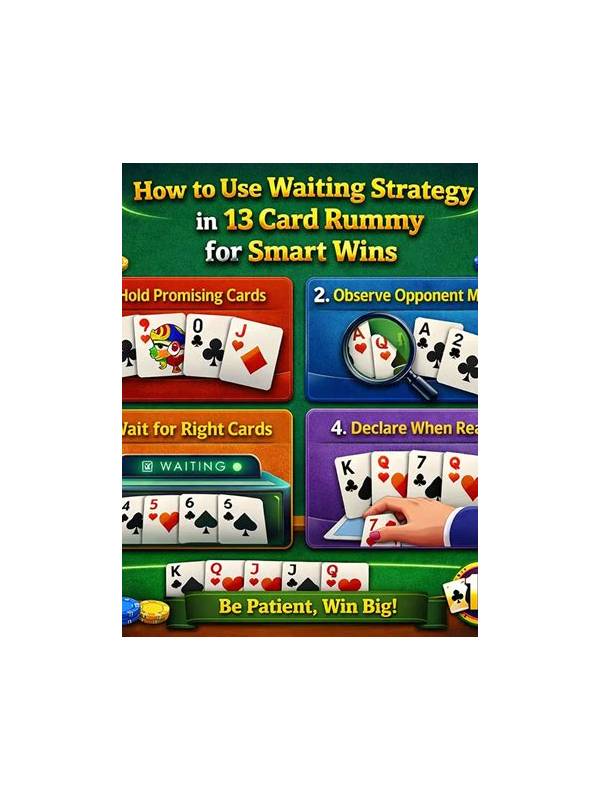
Waiting for a useful card is a normal part of rummy, but waiting without a limit can quietly turn a reasonable idea into a liability. A time limit does not mean abandoning a good plan quickly. It means deciding in advance what evidence would justify continuing and when the hand needs a safer shape.
Begin by naming the plan precisely. “I need a card” is too vague. Say, “I am waiting for a six or nine of this suit to complete the run,” or “I am holding this pair for one of two ranks.” The narrower the destination, the more important a deadline becomes. A plan with several destinations can usually tolerate more waiting than one with a single target.
Set the deadline using three factors: the card values involved, the current hand structure, and the stage of the round. A low-value bridge can survive another turn if releasing it would destroy a useful option. A pair of high cards may deserve only one additional draw. Near the end of a round, any plan that cannot improve immediately should be questioned.
At each deadline, perform a fresh check rather than following the old intention automatically. Has a supporting card appeared? Has the discard pile reduced the chance of success? Did another part of the hand become stronger? If the answer is no, exchange the waiting card for one that reduces penalty or opens more destinations.
Deadlines should be visible. A note such as “one more turn for the open run” is more effective than a vague feeling that you will decide later. You can also use a turn marker or a short mental phrase. The point is to make continuation an active choice, not an accident.
Avoid changing the deadline whenever the plan feels close. That is often a sign that the plan has become emotionally attractive. Review the original reason for holding it. If the reason was based on several routes and those routes still exist, continue with awareness. If the reason is now simply “I have already waited,” release it.
Practice by dealing sample hands and writing one deadline for every narrow draw. After two turns, stop and evaluate whether you would continue. Compare your answer with the original plan. This exercise builds comfort with breaking incomplete structures before a live hand makes the decision feel dramatic.
A time limit is a small form of risk management. It protects your future choices, keeps point exposure visible, and turns patience into a controlled tool. Good plans deserve time; indefinite plans deserve scrutiny.