Rummy How-To: Use a Hand Snapshot Before Each Discard
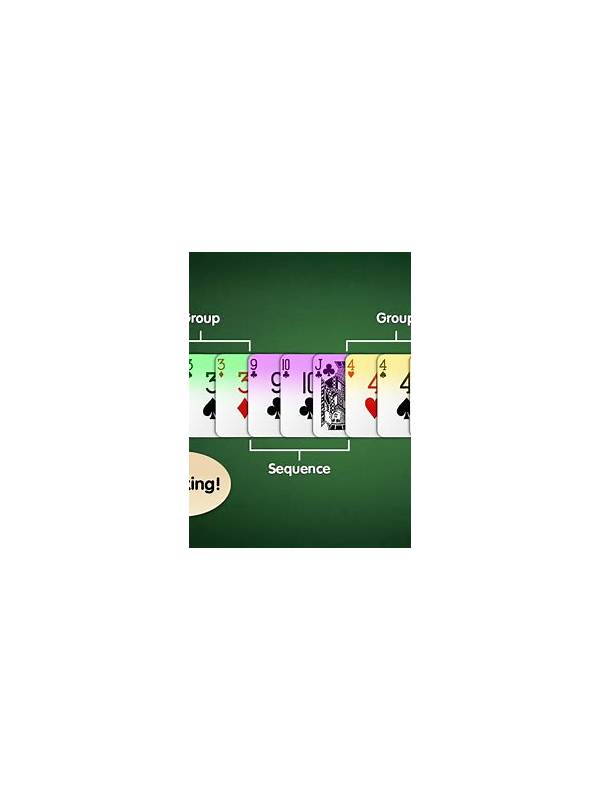
A hand snapshot is a ten-second description of what your cards are doing right now. It is not a full calculation and does not require recording every visible card. Used before a discard, it reduces the chance that a player acts on an outdated plan.
Begin with three labels: fixed, developing, and unassigned. Fixed cards already belong to a valid group you are prepared to keep. Developing cards have a credible connection but still need help. Unassigned cards have no current job, or their only job depends on a very narrow draw. These labels can be mental or written in a note during practice.
After labelling, identify the hand’s most important missing piece. It might be a pure sequence, a card that connects two ranks, or simply a way to remove an expensive isolated card. State it in one sentence: “I need a legal foundation,” or “I need to stop carrying this high card.” A clear sentence is more useful than a vague feeling that the hand is nearly ready.
Now compare the draw with the discard. Ask what changed since the previous turn. Did one developing route become fixed? Did a card lose its only connection? Did the new card create a collision between two plans? If nothing meaningful changed, that is information too: it may be time to use a previously set exit rule.
For the discard decision, inspect three candidates rather than the entire hand. Prefer a candidate that has low current value, few credible future uses, and a manageable consequence if an opponent benefits. A high-point card is not automatically correct to discard if it is the only realistic completion for a legal route. The snapshot keeps that distinction visible.
Do the snapshot again after rearranging. Moving cards can make a hand look finished even when the legal requirements have not changed. Confirm the actual groups, then check whether the chosen discard leaves at least one sensible next action.
With practice, the snapshot becomes a compact rhythm: structure, missing piece, change, candidates. It also creates better reviews. Instead of saying “I played badly,” you can ask whether the snapshot mislabelled a developing route or whether you ignored its exit rule. That specific question is easier to answer and improve.
Keep snapshots descriptive rather than judgmental. “Developing run needs one connector” is useful; “bad hand” is not. Descriptive language keeps the review tied to cards and rules, which makes it easier to change course when the next draw supplies new evidence. It also makes a post-game note easier to compare with future hands.