Rummy How-To: Build a Two-Minute Pre-Play Checklist
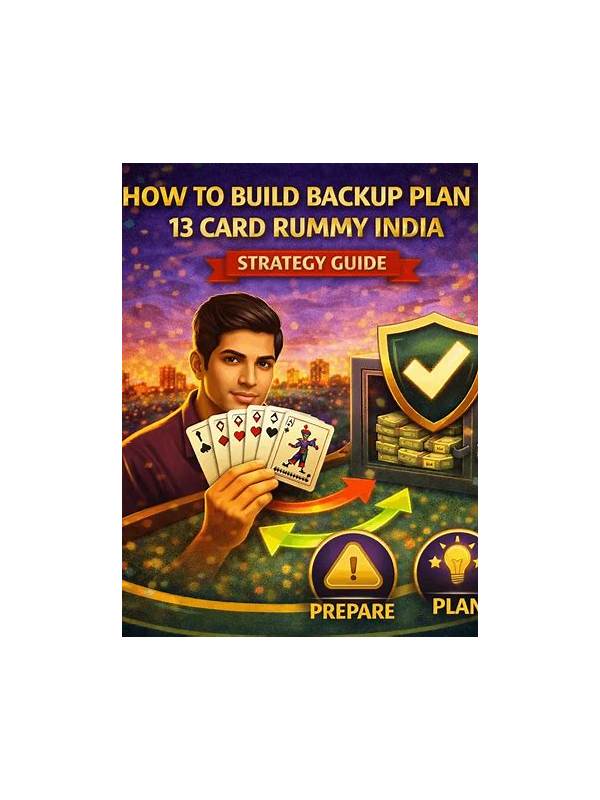
A pre-play checklist should reduce avoidable mistakes, not turn a card game into paperwork. Keep it to two minutes and use the same order each time. A consistent routine helps you notice problems before they affect decisions or spending.
Start with the format. Confirm the goal, number of players, scoring method, declaration requirements, and whether jokers or special rules are active. If any rule is unclear, check the platform’s official explanation before joining. Never assume that a familiar game name guarantees identical rules across tables.
Next, check your practical limits. Decide the session length and, where relevant, the amount you are willing to spend. Confirm that the payment method, entry fee, and withdrawal information are understandable. If a message asks you to act urgently, move the verification outside the game and use a trusted official route.
Then prepare your attention. Silence nonessential notifications, charge the device, and choose a place where the screen is private. If you are tired, angry, or distracted, choose practice mode or postpone the session. Concentration is part of the decision environment, not a character test.
Finish with one strategic intention, such as “I will reassess my route after every useful draw” or “I will review three decisions afterward.” One intention is easier to apply than a page of advice. When the checklist is complete, begin with a clear boundary and a known objective. If any item fails, the correct action may be to wait.
Save the checklist as a short note near your normal playing area if that is allowed. Do not place payment details, passwords, or private account information in it. A useful version might contain only five prompts: format, limits, device, attention, intention. Once the routine becomes familiar, run it mentally. Revisit the full version whenever the platform changes its rules, fees, security process, or responsible-play controls. Small preparation is valuable because it acts before a rushed moment, when reading fine print and comparing options is hardest. If the checklist repeatedly identifies a problem, move to free practice or postpone play until the issue is resolved. The routine should make it easier to say no to a poor setup before the first card is dealt. That protects both your attention and your planned limits. Before starting, confirm that the boundary remains comfortable and clear.