Rummy How-To: Build a Legal-Meld Checklist from the Rules
A rulebook may explain rummy carefully, but players need a smaller tool during a live hand. A legal-meld checklist converts the rules into a sequence of visible tests without replacing the official wording. Build it before playing, especially when moving between formats with different requirements.
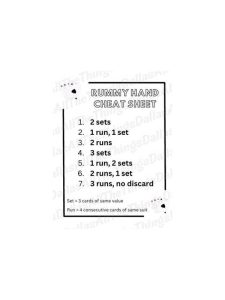
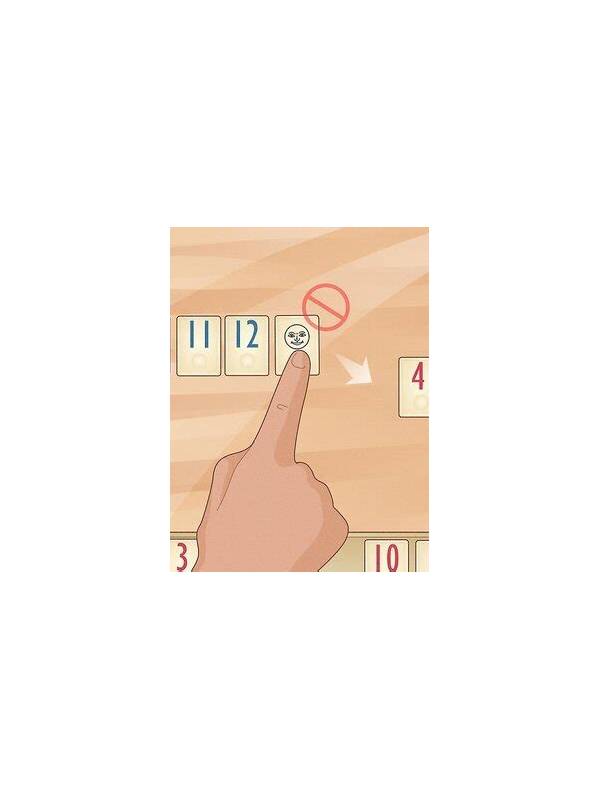
First, write down the objective of a valid hand. Record the required number of sequences, whether one must be pure, the minimum group sizes, and how jokers may be used. Do not rely on memory when a variation changes one of these details. Keep the note specific to the table or app you are using.
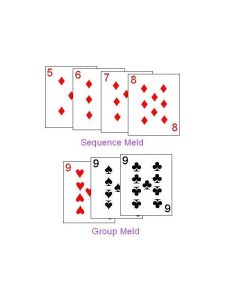
Second, create a group test. For every proposed sequence, ask whether all cards share a suit and follow the permitted order, allowing only the substitutions the rules permit. For every proposed set, ask whether the cards share a rank and meet the suit or duplicate restrictions. If the format uses special low-card or ace rules, put those exceptions in a separate line rather than hiding them in a general rule.
Third, create a whole-hand test. A hand can contain several legal-looking groups and still fail because a required pure sequence is missing, one card is left outside the groups, or one physical card has been counted twice. Count every card exactly once. Mark the required structures before checking optional improvements.
Fourth, add a final action test. Confirm that the game is at the correct stage for a declaration, that your selected arrangement is the one the interface will submit, and that you understand the scoring consequence of an invalid declaration. This is not a strategy step; it is a safeguard against clicking from excitement or habit.
Keep the checklist short enough to use in under a minute. A useful version might read: required pure sequence, other required sequence, legal sets, every card assigned, joker roles confirmed, declaration action verified. Test the checklist on a few sample hands, including an obviously invalid one and a nearly valid one.
Rules change across platforms and house formats, so the checklist should be updated when the official rules change. Its purpose is not to predict the draw. It is to make legality visible when attention is divided between planning and time pressure.
Keep two versions if you regularly play more than one variation: a full reference beside your notes and a small table-specific checklist for live decisions. Label the version with the format and date so an old exception is not accidentally applied to a new game. If the app supplies a rules page, compare your checklist with that page before the first session after an update.