Rummy Comparison: Natural Sequences Versus Joker-Assisted Sequences

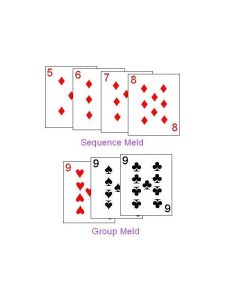
Natural sequences and joker-assisted sequences serve different strategic purposes. A natural sequence is built from consecutive cards of the same suit without a wild substitute. A joker-assisted sequence uses a joker to fill a missing position, subject to the rules of the particular format. Comparing them helps explain why a joker can improve a hand without automatically making a route safe.
The main advantage of a natural sequence is certainty. Once the cards are consecutive and suited, the structure normally remains valid even if other plans change. It also does not consume a flexible joker that could repair a more difficult group. For this reason, natural sequences are often valuable early when a player is still trying to meet a mandatory pure-sequence requirement.
A joker-assisted sequence offers speed and flexibility. It may connect cards that would otherwise need a very specific draw, and it can reduce the number of unmatched cards. However, its value depends on what the joker is replacing. Using a joker between two naturally connected cards may produce a legal group while wasting flexibility; using it to rescue an isolated structure may be more efficient. The correct choice depends on the remaining requirements and available alternatives.
Compare the routes by asking four questions. Which route is already legal? Which route needs fewer uncertain draws? What other card could the joker repair? What happens if you reserve the joker and discard a less useful card instead? These questions prevent the common mistake of treating the joker as free progress.
There is also a verification difference. A natural sequence can often be checked quickly by suit and order. A joker-assisted arrangement requires you to confirm which card the joker represents and whether the full hand still contains the required number and type of sequences. Before declaring, examine the group in isolation and then examine the entire hand.
Neither route is universally superior. Choose a natural sequence when it protects a key requirement and costs little flexibility. Choose a joker-assisted sequence when it creates a stronger legal structure than the alternatives and the joker has no better role. The comparison is about route quality, not about a simple preference for or against jokers.
The same test is useful when reviewing an opponent’s visible move, although the conclusion should remain modest. A player taking a card may be building a natural sequence, repairing a joker-assisted group, or simply reducing an awkward hand. Treat the move as one piece of information and keep your own route independent. Good comparison protects your plan from both overconfidence and unnecessary fear.