Rummy Guide: Turn a Messy Hand Into Clear Groups
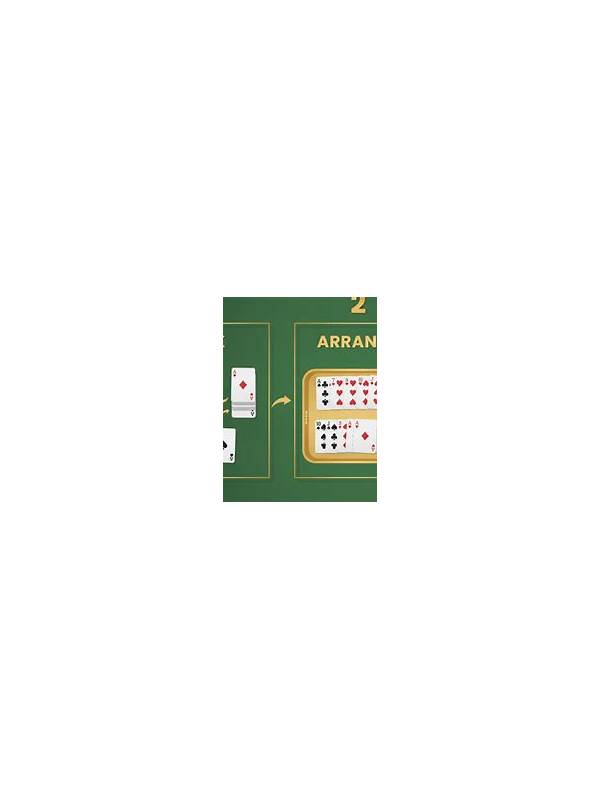
A hand can look impossible simply because its cards are being viewed in the wrong order. When cards are spread randomly, pairs, near-runs, and isolated high cards compete for attention. A quick grouping routine does not guarantee a win, but it makes the useful information visible and reduces impulsive discards.
Begin by separating cards by suit, then place each suit in numerical order. Keep jokers or wild cards in a small separate area until you understand what they might replace. Do not immediately lock every pair into a group. The first pass is for seeing the raw material, not making a final commitment.
Next, mark obvious consecutive runs. Three connected cards in one suit are usually more urgent than a pair because they already form a longer structure. A two-card connection deserves a small note, but it should not automatically receive protection. Ask which missing card would complete it and whether more than one completion is realistic.
After that, identify sets by rank across different suits. A pair can become a set, yet it may also be useful for a sequence. Compare both roles rather than choosing the first arrangement that looks tidy. If a card belongs to two possible groups, leave it visibly flexible until the next draw gives better evidence.
Finally, place isolated cards at the edge and rank them by risk. High cards can create a larger penalty in many formats, while a middle card may have more connecting routes. Still, value is not the only test: a high card that completes a strong structure may be safer than a low card with no plan.
Repeat the routine after a meaningful draw or discard. The goal is not to rearrange constantly, but to keep your view accurate. Clear groups expose weak assumptions, show which card has the fewest jobs, and give you a calmer basis for choosing the next discard. When practicing, use a physical or written divider between confirmed groups and possible groups. This visual distinction prevents a hopeful pair from looking finished. It also makes it easier to explain a decision later: you can see which cards were protected by evidence and which were kept only as experiments. If a hand becomes crowded again, return to the first pass instead of forcing the current arrangement to work. Organization is a way to reduce memory load while the available choices keep changing. Make the layout consistent from hand to hand so your eyes learn where to look. Consistency saves seconds and makes mistakes easier to spot before they become costly.