Rummy Guide: Build a Decision Queue Before Your Next Turn
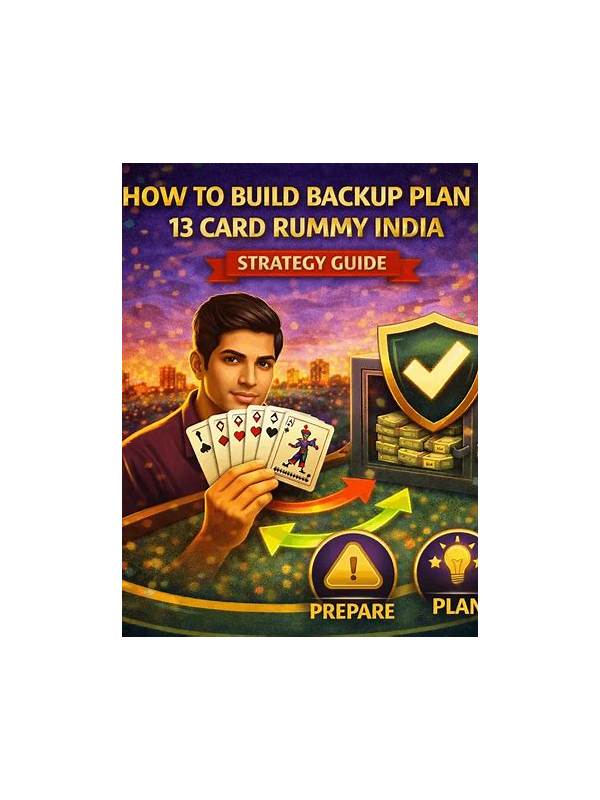
In a busy rummy hand, several cards can look promising at once. One may extend a sequence, another may complete a set, and a third may seem useful because it is high value. Trying to remember every possibility creates noise. A decision queue offers a simple way to keep the next few questions in order.
Start by naming the hand’s immediate requirement. In many Indian rummy formats, a valid declaration needs the right combination of sequences, including at least one pure sequence. The exact rules of a table should always be checked first, but the practical lesson is general: identify the requirement that can invalidate the entire hand before considering attractive improvements.
Next, list the cards or card groups that can address that requirement. Do not write every hypothetical card. Rank them as direct help, flexible help, and cosmetic help. A direct card completes a clearly defined legal structure. Flexible help can serve two plausible routes. Cosmetic help merely makes the hand look tidier without reducing its real risk.
After ranking the queue, ask what information the next draw may reveal. If the discard pile offers a card that confirms a route, taking it may be more useful than chasing a hidden card. If no visible card helps, preserve flexibility and avoid breaking a strong structure just to create a new possibility.
The final item in the queue is the discard test. Before releasing a card, ask whether it is the only bridge between two routes, whether an opponent may obviously need it, and whether keeping it carries more points than its realistic value. This takes seconds once practiced.
Keep the queue short. Three items are enough: protect the required structure, pursue the best flexible improvement, and choose the safest discard. A queue is not a prediction of the future. It is a way to make the next decision from evidence instead of from excitement. Review it after every meaningful draw, because a new card can change the order immediately.
If the queue becomes complicated, simplify it to the route that satisfies a rule requirement and the route with the most credible alternatives. Clear priorities make pressure easier to manage and leave more attention for observing the table.
The queue can be written on paper or kept as three mental prompts. Its value comes from order, not from a special format. When a card changes the hand, remove obsolete items instead of carrying them forward. That small reset keeps yesterday’s plan from controlling today’s decision.