How to Teach a Friend Basic Rummy Sorting
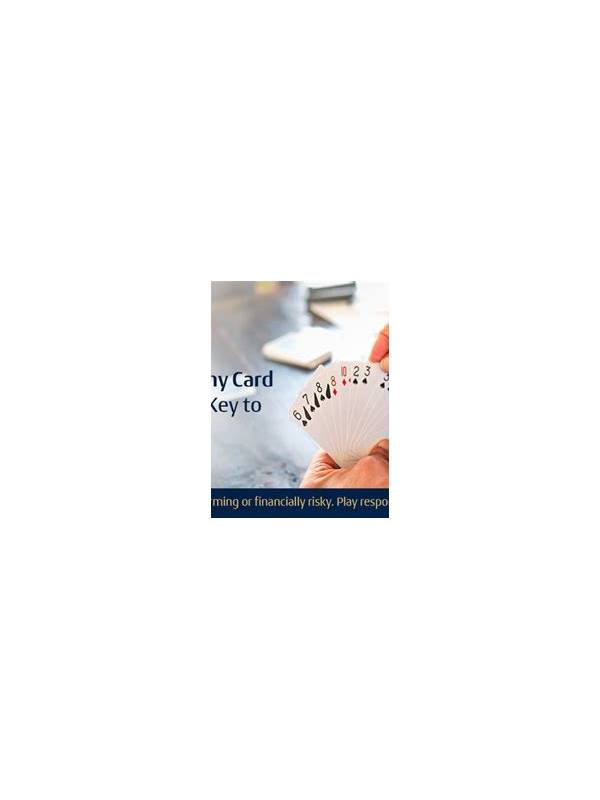
When teaching rummy, begin with the hand in front of the learner rather than a long explanation. Sorting is a visible skill that helps a new player understand sequences, sets, ungrouped cards, and the purpose of a discard.
Deal a small example hand and ask the learner to group cards by suit. Let them describe what they see before correcting anything. Then show how consecutive cards in one suit can form a sequence and how equal ranks in different suits can form a set. Explain that a valid declaration depends on the specific format, so the table rules remain the final reference.
Introduce the idea of a required pure sequence only after the basic groups are clear. Use neutral examples and avoid presenting one lucky hand as a universal recipe. A joker can help in some combinations, but it does not remove every structural requirement. Demonstrating this distinction early prevents confusion later.
Give the learner two possible discards and ask which card has fewer useful connections. Encourage them to explain the choice in terms of future options and point risk, not simply because the card “looks bad.” If the answer is uncertain, that is a good opportunity to show how a practice hand can be paused and discussed.
Keep the first lesson free of pressure. Use an unhurried practice mode or a physical deck, and let the learner take notes. Avoid coaching every turn, because they need to develop a repeatable check of draw, group, and discard. Praise clear reasoning rather than winning.
End by asking the learner to summarize the sequence rule, the set rule, the joker limitation, and the stop point for questions. A ten-minute lesson that builds an accurate mental model is more useful than a dense lecture. Once sorting feels comfortable, later sessions can introduce scoring, table pace, and defensive observation. Use everyday language while teaching. Say that a sequence needs a clear order and a set needs matching ranks, then introduce formal names after the learner understands the idea. Demonstrate one invalid example as well as valid examples, because recognizing a near-miss is important. Let the learner make a few choices without interruption and review them afterward. Patience creates better learning than supplying the answer before they have had time to inspect the hand. A learner may ask the same question several times as the visual groups become familiar. Repeat the rule consistently and let them test it with new examples rather than treating repetition as failure.