Rummy Suit Distribution and Early Hand Planning
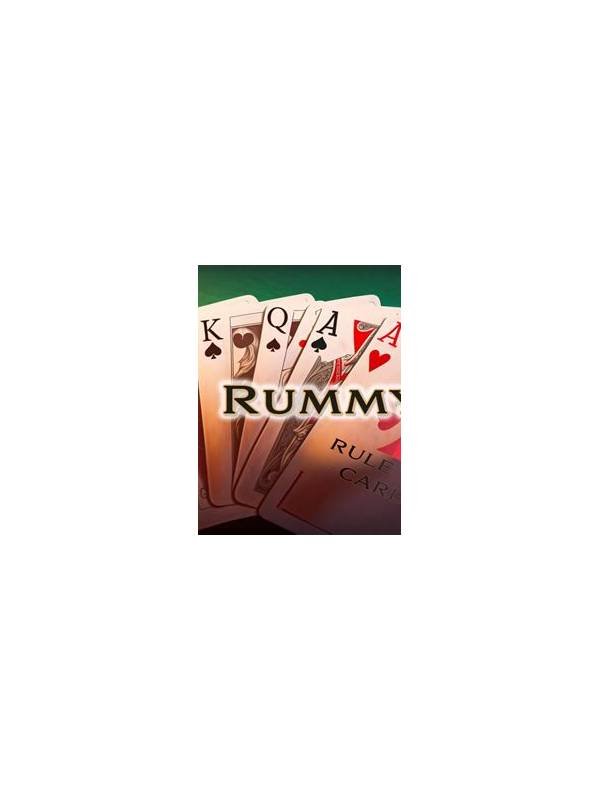
The first sorting step in rummy is not about finding a perfect combination. It is about seeing how your cards are distributed across suits and ranks. That picture helps you form a plan that can survive several draws.
Count how many cards belong to each suit, then look for neighboring ranks within those groups. A suit with three connected cards offers a different opportunity from a suit with three isolated cards. Do not treat the largest suit group as automatically best; connections and required sequences matter more than a simple count.
Notice middle cards and edge cards. Middle ranks can connect in more than one direction, while an ace or a high card may have fewer practical neighbors under the format. This does not make edge cards useless, but it can raise the cost of holding several of them without a clear purpose.
Next, mark cards that serve two possible plans. A connector that could join either of two sequences is valuable because it keeps options open. Avoid breaking a flexible structure just to create a visually neat pair. Neat sorting is helpful, but the hand should be judged by future possibilities.
You also need a discard candidate. Choose one card that is isolated, expensive, and unlikely to support a required group. If a new draw changes the picture, update the candidate rather than protecting it automatically. The first discard is a starting decision, not a permanent promise.
Early planning should remain provisional. A hand can change after one draw, and visible discards may affect your preference. Reassess when a card completes a group or eliminates an important route. By reading distribution before chasing combinations, you make the early turns calmer and give each draw a clear job. Do not confuse a suit-heavy hand with a guaranteed run. Several cards in one suit may still be separated by wide gaps, and a short group can become valuable only after a connector appears. Likewise, two cards of one rank are not automatically worth protecting if they block a stronger sequence. Distribution is a map for questions, not an answer. Keep checking what each card contributes as the hand develops. A quick distribution scan should take seconds once practiced. If it takes longer, use a physical note during practice, then gradually reduce the help as the categories become familiar. This scan is only an opening estimate. Let the draw and discard information update it, and avoid defending an early preference simply because it was your first idea.