Rummy How-To: Create a Discard Queue Before the Hand Gets Crowded
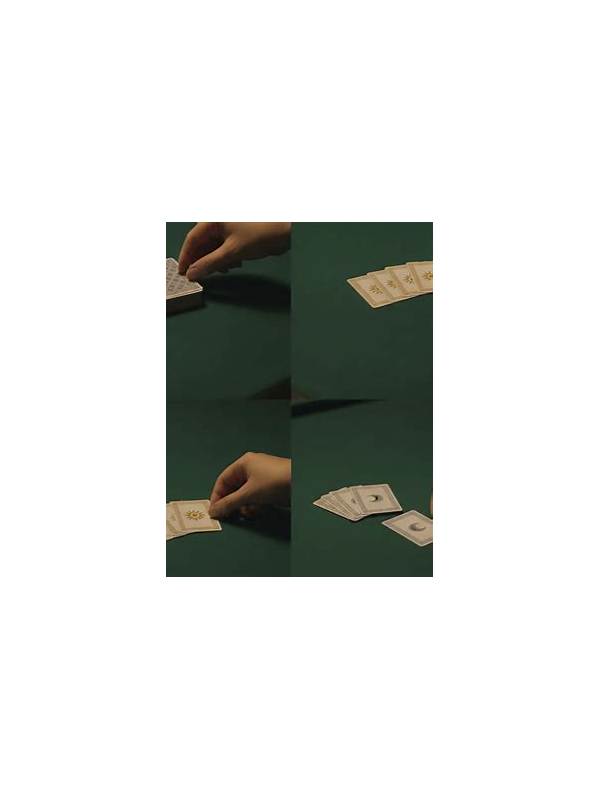
When a rummy hand becomes crowded with pairs, connectors, and single cards, every discard can feel important. A discard queue provides a temporary order for cards that are least useful. It is not a commitment to throw them immediately; it is a reminder that they need a strong reason to stay.
Begin by separating your cards into active groups, developing groups, and passengers. Active groups are already valid combinations or close to them. Developing groups have a realistic path to improvement. Passengers do not currently support a clear route. Put passengers in the first part of the queue, then rank them by penalty value and by how easily they could become useful.
Keep one exception rule. If a queued card becomes part of a stronger route because of a new draw, remove it from the queue. Similarly, if discarding it would reveal useful information to an opponent or release a card you may need defensively, reconsider the order. The queue is a decision aid, not an automatic play sequence.
Reassess after every meaningful change. A new pair can make one passenger valuable, while a blocked connector can turn a developing group into two expensive singles. Scan the hand by group rather than by individual card. This keeps you from protecting a familiar pair after the surrounding plan has stopped working.
In the late hand, shorten the queue. Choose the card that best balances immediate score reduction, legal completion, and opponent information. Do not preserve a speculative card simply because it has waited in the queue for several turns. A queue is useful precisely because it makes old assumptions visible. When the hand changes, let the ranking change with it.
You can make the queue more precise by assigning each passenger a reason for remaining. For example, a card may stay because it is low penalty, because it has two sequence neighbors, or because it protects a required structure. If no reason survives the next reassessment, the card returns to the front of the discard queue. This prevents vague optimism from keeping cards indefinitely. During practice, say the reason aloud or write a short symbol beside the card. The exercise trains you to make every retained card earn its place.