Why Rummy Variations Need Different Opening Plans
A familiar rummy strategy can become unreliable when moved to a different variation. The basic draw-and-discard rhythm may remain, but the value of a card depends on the required combinations, scoring method, number of deals, and role of jokers. An opening plan should begin with the rules rather than with a favorite habit.
In a points-style game, reducing unmatched points may be an early priority when the hand has no promising structure. High cards can become expensive if they remain isolated. In a pool format, the same concern exists, but the longer contest may reward patience when a flexible route is available. These are tendencies, not commands; the specific table rules still control.
Deals formats introduce another layer because a player may manage a total across several deals. A bold choice in one deal can be sensible if the overall score position supports it, while the same choice may be poor when protecting a narrow lead. Thinking about the round rather than only the current hand prevents short-term excitement from taking over.
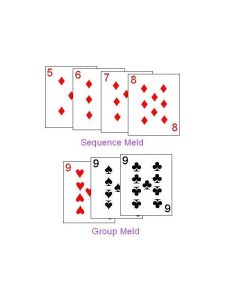
The required number of sequences also changes priorities. If the variation demands two sequences, a hand with one attractive set may still be in trouble. If a pure sequence is mandatory, natural same-suit runs deserve immediate attention. Before drawing, state the required groups in your own words. This small reminder helps you evaluate cards against the actual target.
Joker rules can alter the opening plan too. A joker may be valuable for a difficult connector in one variation and less useful when the format rewards natural groups more heavily. Check whether a wild card can be used in a pure sequence, how many jokers a group may contain, and how the platform handles an invalid declaration.
The practical method is simple: name the objective, list the mandatory groups, identify the scoring danger, and then review the hand. Only after that should you decide which cards to protect. When changing variations, spend a few practice hands testing the rules without attaching importance to the result. A strategy that is flexible enough to adapt to the format is more useful than a rule that sounds confident everywhere.
Keep a short rule summary for each variation you play. Include the hand size, required sequences, joker treatment, scoring basis, and any special declaration condition. Reviewing that summary before a session takes less time than correcting a strategy built on rules from a different table.