Rummy Tips: Leave Yourself a Safe Discard
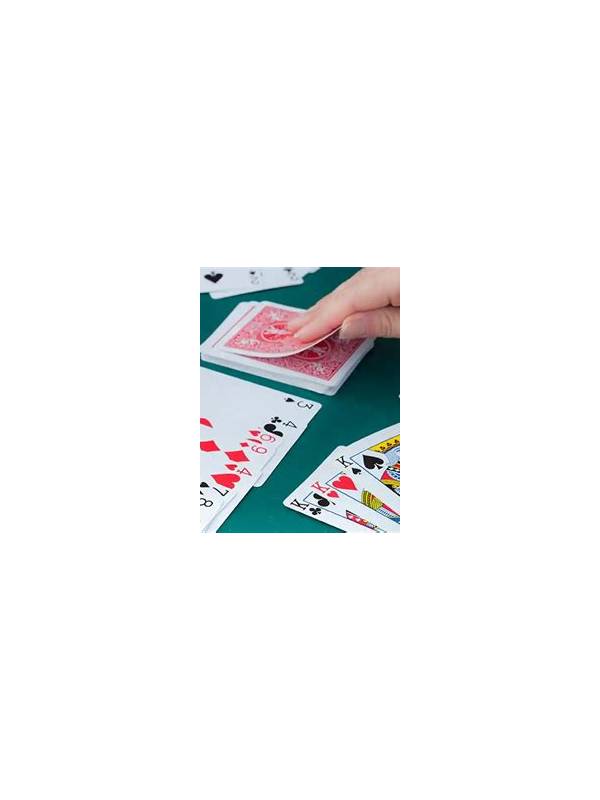
A hand is easier to manage when it contains a card you can discard without damaging a key group. This safe discard is not necessarily useless; it is simply the least costly release if the next draw does not help. Planning for one keeps an ordinary bad draw from forcing a desperate move.
Identify the candidate after sorting the hand. It may be a low card with no connections, a duplicate that is not supporting a set, or a high card whose routes have narrowed. Confirm that releasing it will not break a pure sequence or remove your only legal foundation.
Do not treat the safe discard as permanent. A new connector can give it value, while a public card can make another card safer to release. Reclassify after meaningful changes. The point is to maintain a fallback, not to protect one particular card regardless of evidence.
A safe discard also helps with the stock choice. If the next draw is weak, you can release the candidate and continue without damaging the rest of the hand. If no such card exists, consider simplifying earlier by releasing a fragile group or a high-penalty card.
Leaving an exit is a small form of risk management. It keeps the hand responsive and makes the next decision less dependent on a perfect draw.
Choose the candidate before you need it. A preselected fallback prevents a bad draw from making every option feel urgent. If taking a visible card would advertise a narrow plan, preserving a quiet release may be worth more than a small immediate improvement.
The fallback can change as the hand develops. A new pair may make one card redundant, while a public discard may make another card more informative to keep. Recheck after a meaningful draw, but do not search for a perfect safe discard every turn. One reasonable exit is enough.
The fallback can change as the hand develops. A new pair may make one card redundant, while a public discard may make another card more informative to keep. Recheck the candidate after a meaningful draw, but do not search for a perfect safe discard every turn. One reasonable exit is enough.
The fallback is especially useful after a stock draw that changes nothing. You can release it and preserve groups that still have potential. If every card is tied to a group, the hand may already be too rigid; consider simplifying earlier.