Rummy Safety: Keep a Private Record Without Exposing Account Data
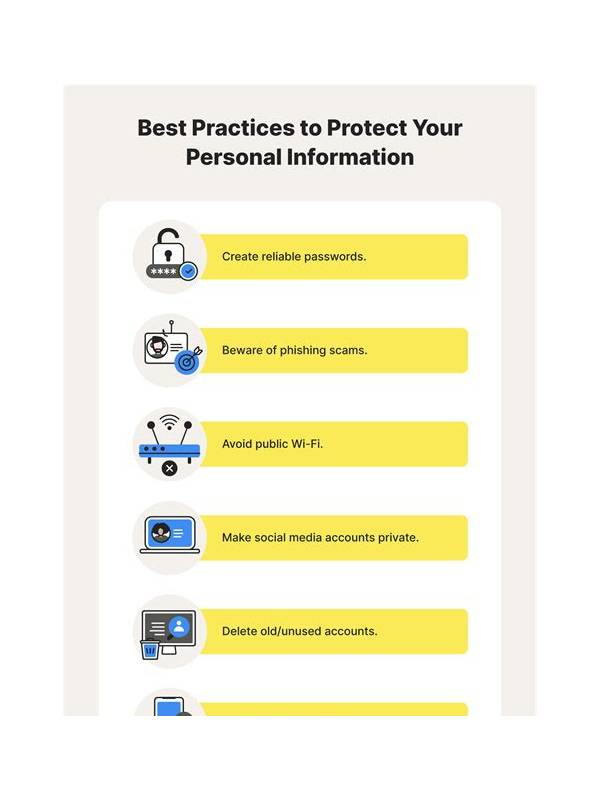
Keeping a private practice record can improve reflection, but the record should contain decisions rather than personal account data. A short, careful log is safer than a detailed archive that includes screenshots, usernames, payment information, or private messages.
Record the date, general game format, session length, and one process observation. You might note that you checked the discard pile before choosing, or that fatigue affected your final rounds. Use a general label for the platform if you need one. Do not write passwords, one-time codes, recovery answers, full payment details, or identity documents in the log.
Avoid identifying other players. Their usernames, chat messages, voice recordings, and screenshots may be personal information. If a decision depends on public cards, describe the pattern without attaching a person’s identity. A learning note should not become an informal surveillance file.
Choose storage carefully. A device note protected by the operating system may be sufficient for a basic record. If you use cloud storage, review sharing settings and avoid public links. Do not paste the log into untrusted forms or send it to people who claim they need it for account support. Official support should not need your password or verification code.
Review and delete old material periodically. Remove screenshots and entries that no longer serve a clear purpose. If you stop using an app, check whether the record contains linked account details and clean it before archiving. Keep backups only when the benefit is worth the additional exposure.
The best log is minimal: context, one decision, one lesson, and perhaps one safety note. It supports improvement while limiting unnecessary data. If a platform issue requires evidence, use its official reporting process and redact unrelated details before submitting anything. Privacy is part of a sustainable practice routine, not an obstacle to learning. Consider using broad descriptions such as “early evening” instead of exact location or travel details when those details do not affect the lesson. If you need to report a security concern, use the platform’s official channel and share only the evidence requested. Good records are useful because they are focused, not because they contain everything.
If a note must be shared for coaching, remove links, identifiers, and unrelated screenshots first. Share the smallest excerpt that explains the decision, then delete the temporary copy when the review is complete.
Privacy also includes your own future self. Store only what you are comfortable discovering later, and remember that a harmless strategy note can become sensitive when combined with location, schedule, or account information.