Rummy Safety: Create a Session Boundary Before Playing
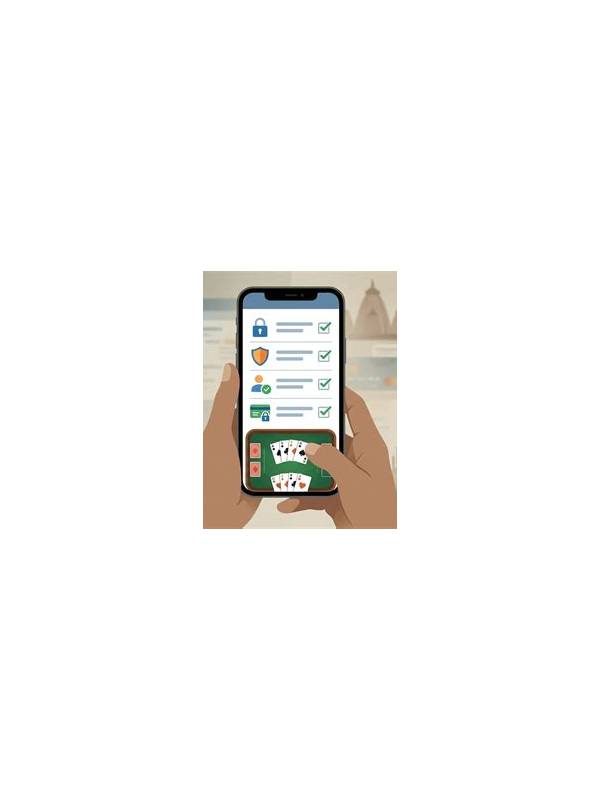
A stop rule is a decision made before play begins. It says when the session ends, regardless of whether the last hand was a win or a loss. This small preparation matters because decisions become harder when a player is tired, frustrated, or focused on recovering an earlier result.
Set at least two limits: one for time and one for spending if the game involves money. Make the limits specific, such as a fixed end time or a fixed session budget. Avoid rules that depend on mood, like stopping when you “feel done.” Feelings can change quickly after a surprising hand, while a written limit gives you a stable reference.
Add a condition for mental fatigue. Signs include clicking before checking the hand, forgetting a clear discard plan, feeling unusually urgent, or replaying a previous mistake during the current turn. Decide in advance that one or two signs are enough to pause. You do not need to prove that you are severely tired before taking a break.
Keep the stop rule visible. A note beside the device or a timer can be more reliable than memory. If the platform offers spending controls, review them before playing and use only funds that fit your wider budget. Never borrow money or increase a limit to chase a result. A stop rule loses its purpose if it can be rewritten under pressure.
Plan what happens after stopping. Close the table, record the result if you wish, and move to a different activity. Do not immediately reopen another table to continue the same emotional loop. A short walk, meal, or conversation creates a real boundary between the session and the rest of the day.
If another person asks you to continue, explain that the limit was set before play. A safety plan should not depend on winning an argument in the moment. Likewise, do not pressure someone else to ignore their own limit. Friendly competition is compatible with respecting a pause.
Review the rule later, when calm. If the time limit was too long for your schedule, shorten it. If you stopped comfortably, keep it. The goal is not to maximize playing time; it is to keep the activity voluntary, affordable, and easy to end. A predictable stop rule is one of the simplest ways to make a rummy session more responsible.
Tell a trusted person about a broad boundary if that helps you keep it. You do not need to share private account details or game results. Simply having an external reminder can make a pre-planned limit easier to respect when the session becomes emotionally intense.