Rummy How-To: Create a Personal Glossary for New Formats
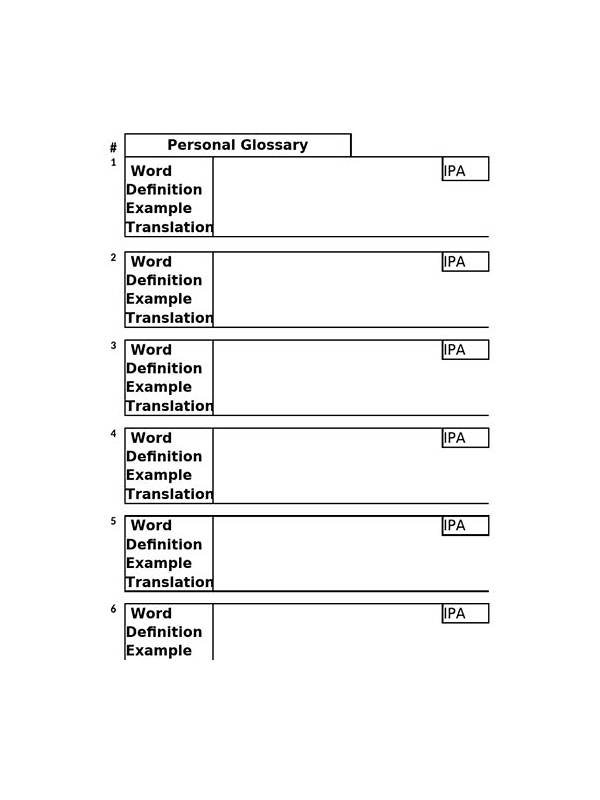
Joining a new rummy format can be difficult when familiar words have local meanings. A personal glossary gives you a place to translate those words before they create an expensive misunderstanding. It is especially useful when moving between casual and structured games.
Begin with terms that affect action. Record what the table means by sequence, set, pure, joker, drop, declaration, and penalty. Do not assume that a definition from another format transfers unchanged. Beside each term, write one valid example and one invalid example. The contrast often exposes the important boundary faster than a paragraph of explanation.
Add a second section for process terms. Note who deals, where the discard starts, how a turn ends, what happens after a disconnect, and how an objection is handled. These details may not change the cards in your hand, but they change what you should do when something unexpected happens.
Keep questions separate from confirmed definitions. Use a question mark beside anything you have not verified, and ask before play or during a scheduled pause. Never rely on a guessed definition merely because other players appear comfortable. A glossary is useful only when it distinguishes certainty from memory.
After the session, remove redundant entries and update the wording. Keep the note short enough to review in a minute. You can also include the format name and date so that an old house rule is not mistaken for a universal rule. The goal is not to become a walking rulebook. It is to convert unfamiliar language into clear, shared expectations before a decision matters.
You can make the glossary easier to use by arranging it in the order of a turn. Put draw terms first, grouping terms next, then declaration and scoring terms. Add a small “ask before playing” box for unresolved points. This layout is faster to scan than an alphabetical list when the question arises during preparation. Keep the language neutral so the glossary supports discussion instead of sounding like an argument already won. For a digital copy, keep the note in a secure place and share only the rules needed by the group. For a paper copy, avoid writing account details beside it. A glossary describes the game, not the people playing it. That boundary keeps a useful learning aid from becoming a record of private information. Review the glossary before the first deal, not during a disputed turn. Early clarity gives every player the same starting point and keeps explanations concise.