Rummy Guide: Test a New Meld Before Committing
A new meld can make a rummy hand look cleaner immediately, but visual neatness is not the same as progress. Before committing cards to a group, test whether the meld creates useful flexibility or merely hides several unfinished possibilities. This small habit is especially helpful when you have a pair, an open-ended sequence, and a tempting three-card set competing for the same card.
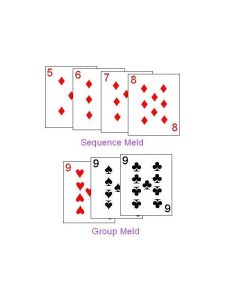
Start by naming the proposed meld and the cards it would consume. For example, you might have 6, 7, and 8 of one suit, with the 7 also helping another connection in your mental plan. Ask which future cards would still improve the remaining hand after the meld is fixed. Count routes, not hopes: an actual adjacent card, a matching rank, or a joker may be a route, while a vague belief that “something will fit” is not.
Next, check whether the group is already reliable. A legal group is valuable, but a group that uses a flexible middle card may cost more than it appears to gain. Compare the hand before and after the commitment. Does the number of isolated cards fall? Are high-point cards exposed? Does at least one other group have a clear completion route? If the answer to all three is no, delay the meld and preserve the choice for another turn.
This test also prevents accidental card reuse. Write the proposed groups in separate columns, then underline each physical card once. If the same card appears in two plans, the plans are alternatives, not simultaneous progress. Choose the plan with the lower dependency: it should need fewer exact draws and leave a reasonable discard candidate.
The method is not a command to avoid early melds. A strong pure sequence or a low-risk set can be worth locking quickly, particularly when it reduces penalty exposure. The point is to make the trade-off visible. Take five seconds to compare the cards consumed, remaining routes, and weakest leftover card. Then make the move that improves the whole hand rather than the most attractive fragment.
Use this check in practice hands before applying it in a timed game. Pause after the draw, state the proposed meld aloud or in a note, and compare the remaining cards. With repetition, the questions become automatic. You will notice that some melds are genuinely stabilizing while others only make the layout look tidy. That distinction is the useful skill. Again.