Rummy Guide: Use a Table-State Snapshot Before Acting

In an online rummy round, your hand is only one part of the position. The draw pile, discard pile, visible turns, and remaining time all influence the value of a move. A table-state snapshot is a quick description of those facts before you draw or discard. It is not a prediction. It is a way to make sure the decision is based on what is actually visible now.
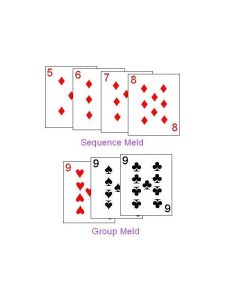
Start with your own hand. Identify complete groups, nearly complete groups, and cards that have no current connection. Do not count a card as useful merely because it could fit several imagined sequences. Note the cards that are carrying the plan, especially a single connector or joker. This reveals whether your hand is flexible or dependent on one event.
Next, inspect the discard pile from the most recent cards backward. Look for repeated ranks, a suit that has appeared often, and any card that another player may have taken. The purpose is not to reconstruct every hidden hand. It is to avoid treating an old possibility as fresh information. A card that was attractive several turns ago may now be a poor draw because its neighbors have disappeared.
Then observe the table rhythm. Is the round moving quickly? Has a player repeatedly taken from the discard pile? Are players discarding high cards, isolated cards, or cards that look connected? These observations are clues, not proof. Use them to adjust attention, not to invent certainty.
Finally, state your immediate objective in one sentence: improve a weak group, reduce deadwood, protect a valid sequence, or test a new route. If you cannot name the objective, pause and sort the hand by role before choosing. A snapshot should end with a decision question such as, “Which available draw improves my hand without destroying its best route?”
This routine takes only a few seconds after practice. It also creates a useful review record. After the round, compare the snapshot with what happened. The lesson is not whether the move won. Ask whether the facts were accurate and whether the chosen objective matched the position. That distinction builds repeatable judgment.
Keep the snapshot neutral. Describe the position without calling it lucky, terrible, or almost solved. Emotional labels can turn an observation into a commitment. If the hand is weak, say which part is weak and what would improve it. If the hand is strong, say what must be protected. This wording keeps the snapshot useful even when the next draw is disappointing.