Rummy Guide: Use a Stoplight System for Candidate Discards
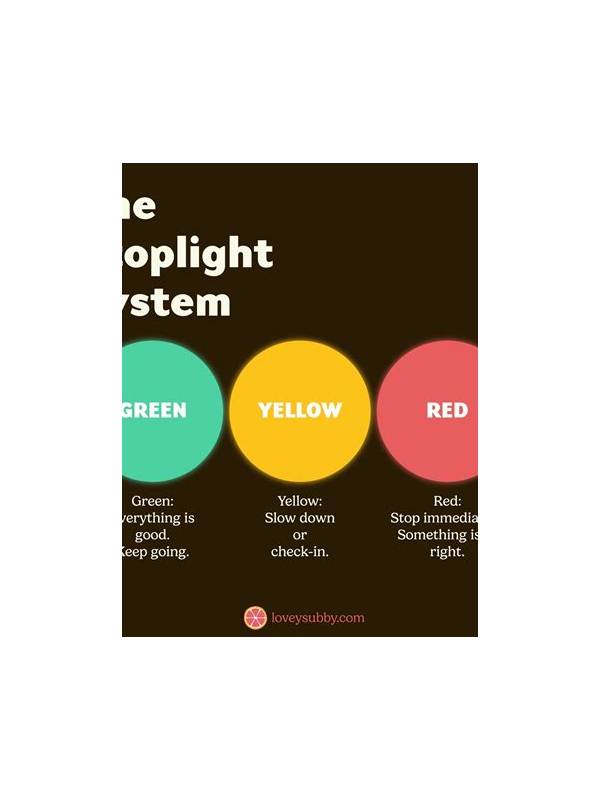
The system is meant to support attention, not replace judgment. Recheck a label whenever a draw changes the hand, and keep the categories broad enough to use under a timer. A short, repeatable routine is better than a detailed color map that slows every turn.
When several rummy cards seem possible to discard, a stoplight system can reduce mental clutter. Green cards are clear discards: they are isolated, high in points, and have little realistic connection. Amber cards need a short comparison because they support one plausible route. Red cards should not be discarded casually because they belong to a complete group, a required pure sequence, or more than one strong plan.
Begin by marking complete groups red. A legal sequence or set already contributes structure, so breaking it should require a specific reason. Next mark cards that are isolated and expensive as green, provided they are not useful as a backup for a missing group. The remaining cards are amber. They deserve a closer look, but amber does not mean keep forever.
For each amber card, ask what it currently does and what it could do next. A pair may be useful for a set, while one of its cards might connect to a sequence. A middle card can be flexible, but only if the surrounding suits and ranks make those connections credible. If an amber card needs one narrow draw and another card supports two broader routes, the second card may be the better keeper.
The stoplight can also help with a midgame reset. A card that was red early may become amber after its group loses a route. A card that was green may become red if a new draw completes a group around it. Recolor the hand after important draws instead of treating your first classification as permanent.
Use the system carefully in timed play. You do not need to label every card with perfect precision. Identify the obvious green card, check that no red structure is being damaged, and compare only the two most relevant amber candidates. This creates a small decision window rather than an exhausting full analysis.
After the hand, note one classification that changed and why. Did you overprotect an amber card? Did you discard a green-looking card that had a useful second route? A stoplight system is valuable because it creates a shared language for those questions. It supports clear decisions without pretending that every hand has one certain answer.