Rummy Guide: Learn a New Variant With a Rule Map
A new rummy variant can feel harder than it is because familiar habits collide with unfamiliar rules. A rule map turns the change into a short checklist. It should explain what stays the same, what changes, and which decisions are most affected.
Begin with the objective. Write how a player wins, how a hand ends, and whether the goal is to minimize points, reach a target, or complete a particular structure. A familiar draw-and-discard rhythm can hide a different scoring incentive, so the objective belongs at the top of the map.
Next record the deal and turn sequence. Include the number of cards, the available draw sources, whether a discard is required, and what happens after a declaration. These mechanical details determine the number of opportunities a hand has and prevent simple procedural errors.
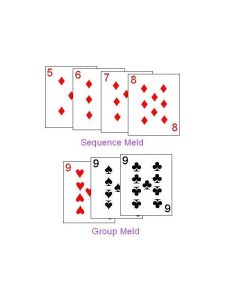
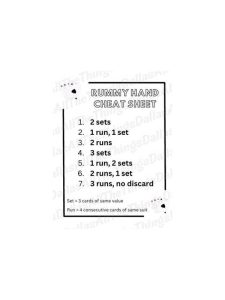
Make a separate section for legal groups. Note the definition of a sequence, set, pure group, wild card, and any special exception. Do not rely on a vague memory of another format. If the rules are unclear, consult the official table instructions or ask before play begins.
Then map the scoring consequences. Which cards are expensive? Are there bonuses or penalties? Does a fast declaration matter more than reducing points? These answers affect whether you should protect low points, pursue a narrow completion, or preserve a second route.
Finally, list three habits to suspend and three habits to keep. You may need to suspend an automatic joker placement or a familiar discard rule, while keeping habits such as checking groups and verifying a declaration. Play a low-pressure practice hand and update the map with every confusion. Learning becomes faster when each error produces one precise rule note rather than a general feeling that the variant is difficult.
Keep the map short enough to read between hands. A page of exceptions may be accurate but will not help if it is never consulted. Put the rules that change immediate decisions at the top, and store background explanations separately. Over time, remove notes that are fully automatic and add only the confusion that still causes mistakes.
Date the map so you know which version of the rules it describes.
When a rule changes, update the affected decision example as well as the summary. Otherwise an old example can quietly override the new wording during a fast hand. A good map is both a reference and a test: if you cannot apply it to a sample turn, the explanation needs to be clearer.