Rummy FAQ: How Should You Handle an Unreadable Card?
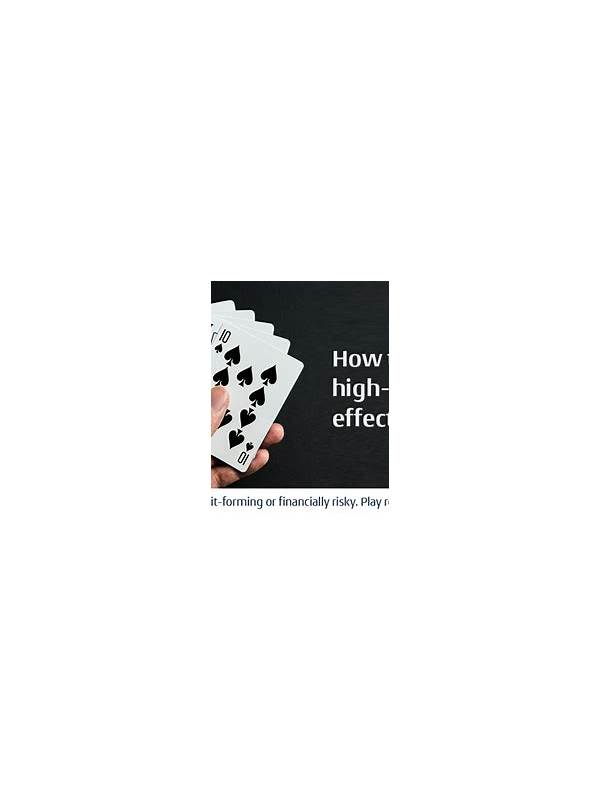
An unreadable card is more dangerous than an obviously bad card because it invites you to fill in the missing detail. On a phone, a small symbol may be hidden by glare, an animation may cover the corner, or two ranks may look similar. The safest response is to treat the card as unverified until you can identify both its rank and suit. A guess can change every later grouping decision.
Start by stopping the hand scan. Do not immediately compare the card with your best sequence. Enlarge the view if the application supports it, rotate the device only if doing so does not disrupt the table, and wait for moving overlays to disappear. If the card came from the open pile, check the pile label or recent-move history when available. If it is in your hand, place it temporarily in a neutral position instead of building a group around it.
Once you can read one property, do not assume the other. Knowing that a card is a six does not tell you its suit, and seeing a heart symbol does not settle whether it is a five or a six. Say the identity silently in full: “six of hearts,” for example. This small habit prevents a partly recognized card from becoming a false anchor.
Next, test the card against your current layout. Could it extend a sequence, complete a set, or only create a speculative pair? Compare those uses with the cost of rearranging cards that are already clear. An unreadable card should not be allowed to displace a verified group merely because it might fit. If you still cannot confirm it, keep the hand organized around known cards and follow the platform’s support or table procedure for a display problem.
After resolving the display, recheck any decision made while the card was uncertain. A new identity may change a sequence’s legality, the best discard, or whether a joker is doing useful work. Do not rely on memory of the temporary layout; resort the hand from the verified identities.
This approach is also useful away from live play. When practicing with a dim screen or a physical deck, deliberately place one card at an awkward angle, then train yourself to pause instead of guessing. The goal is not perfect visual speed. It is a reliable boundary between evidence and assumption. In rummy, one confirmed card is worth more than several confident conclusions built on a misread symbol.