Rummy Comparison: Sorted by Suit or Sorted by Rank?
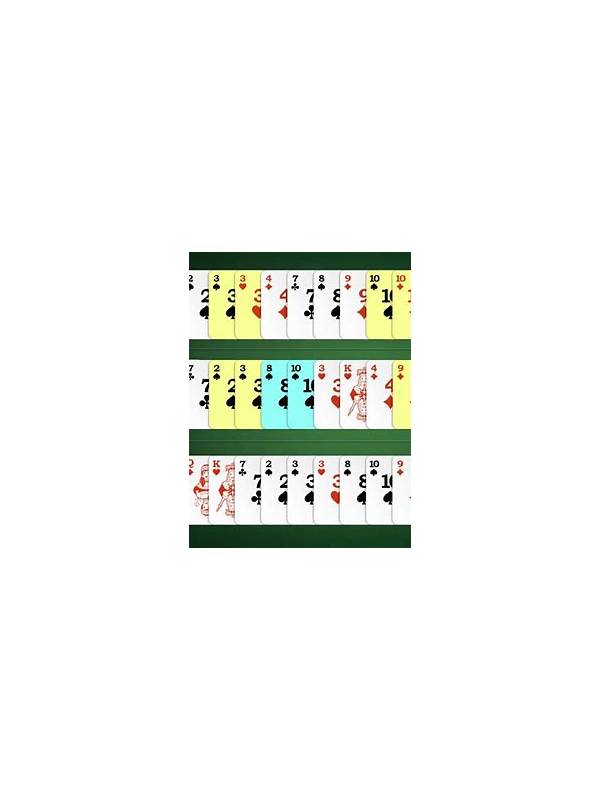
Card layout changes what you notice first. Sorting by suit makes consecutive runs easier to see, while sorting by rank makes same-rank sets easier to compare. Neither arrangement is universally best. Switching deliberately can reveal a route that the first layout hid.
Use suit sorting during the opening scan. Place cards from each suit together and look for neighbors, gaps, and cards that could connect two groups. This arrangement is especially helpful when you are checking for a pure sequence or deciding which same-suit cards have real potential. Keep jokers or wild cards visibly separate so they do not create a false impression of a natural run.
Switch to rank sorting when you are considering sets. Seeing all cards of one rank together can show whether a group is strong or whether you are holding isolated cards with little support. It can also make duplicate cards easier to identify. In a physical game, leave enough space between possible groups so that a quick rearrangement does not cause accidental mixing.
Digital interfaces may offer automatic sorting, but do not assume the display matches your plan. Some systems sort by suit, rank, color, or a custom order. Check the labels and zoom level before selecting a card. If the screen is small, enlarge the hand rather than relying on a fast gesture.
The two methods can be combined. Start by sorting by suit, identify one or two sequence routes, then sort by rank to examine the remaining cards. Return to suit order before a declaration so each sequence can be verified carefully. The act of switching is a diagnostic tool, not a reason to keep rearranging without making a decision.
Choose the layout that answers the current question. If the question is “Which run can I complete?” use suit order. If it is “Which set is realistic?” use rank order. Clear visual organization reduces mistakes, but it cannot replace rule knowledge or a final card count.
Do not rearrange so often that you lose track of the previous structure. Make one deliberate switch, identify what became clearer, and decide whether a card’s role changed. In a physical game, keep cards private while sorting. Online, verify that a drag or tap has completed before making the next action. A clear layout should reduce cognitive load, not create interface errors.
Choose one layout for the opening scan and another only when a specific question remains. This keeps organization purposeful and saves time during a live turn.
If you find yourself switching without learning anything new, return to the first layout and make the decision from the visible structure. Organization should clarify choices, not postpone them indefinitely.