How to Compare Rummy Discards When Both Look Reasonable
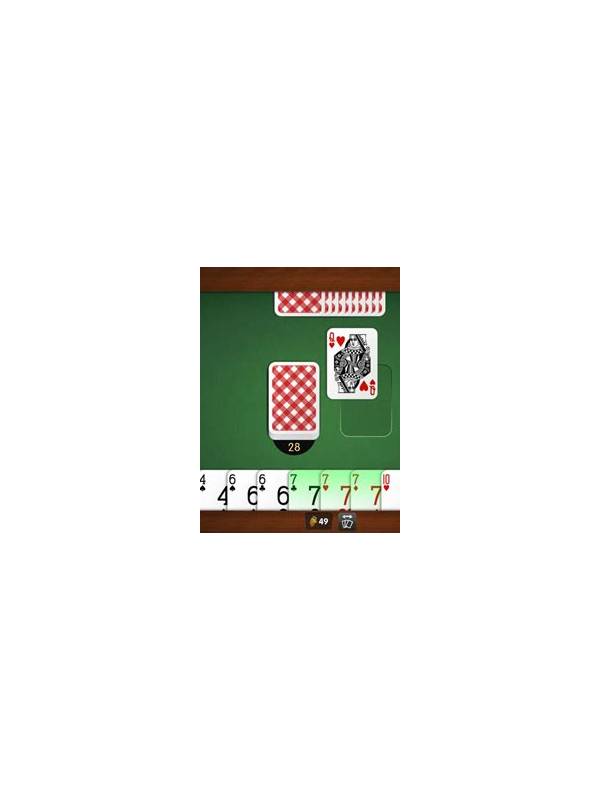
Some rummy decisions are easy because one card is clearly isolated. The harder moments arrive when two cards both appear disposable. One may have a higher point value, while the other may reveal less about your intended hand. A repeatable comparison keeps the choice from becoming an impulse.
Begin with immediate structure. For each candidate, ask how many credible groups it currently supports. A card that belongs to two well-supported routes is usually more valuable than one that belongs to no route, even if both have similar points. Do not count imaginary connections that require several perfect draws. The comparison should reflect the hand in front of you.
Then check flexibility. A card can be useful in more than one suit or rank arrangement, but flexibility matters only when those arrangements are realistic. Compare the number of useful future cards, not just the number of theoretical patterns. If one candidate has three practical helpers and the other has one, the first is harder to replace.
Consider information as well. Discarding a card that an opponent recently ignored may communicate less than discarding a card that completes an obvious local pattern. You cannot know another player’s hand, so avoid pretending that a discard gives certainty. Treat information as a small factor alongside structure, points, and replacement cost.
Replacement cost is the most useful tie-breaker. If you release candidate A, what would you need to draw to restore a comparable route? If the answer is one of several cards, the loss is manageable. If candidate B would require one exact card, B may deserve protection even when it carries fewer points.
Use a final safety check before acting: does either discard leave an incomplete pure sequence, a required declaration component, or a high-value card exposed elsewhere? If not, choose the card with lower route quality and lower replacement cost. Record the reason after the hand. A clear explanation is more valuable for learning than whether the result happened to be favorable.
Do not let a later draw rewrite the original comparison. A card that arrives after your choice is evidence about the next position, not proof that the earlier choice was careless. Review the alternatives again only when the new card changes the structure of the hand. This habit keeps decisions analytical and makes post-game learning more accurate.