Rummy Tips: Give Every Unfinished Group a Time Limit
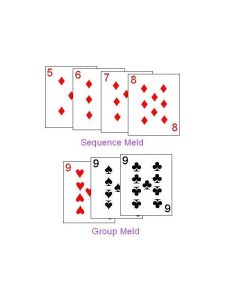
An unfinished group can feel valuable because it represents progress. A pair, a near-sequence, or two cards around a joker may look one draw away from completion. The danger is allowing that picture to control every later decision. A simple time limit makes your hand more responsive.
Choose the limit when you first identify the group. For a highly flexible group, you might allow several turns because many cards can improve it. For a narrow group that needs one exact connector, use a shorter limit. The limit is not a mathematical law; it is a reminder that waiting has a cost. Each turn spent preserving one idea may prevent another group from forming.
At each review point, measure the group against three tests. First, has its probability improved because of a new card? Second, has the discard pile made the needed cards less plausible? Third, can the cards be repurposed without damaging a required sequence? If the answers are mostly negative, release the group even if it was once promising.
Do not confuse a time limit with automatic disposal. A group may deserve an extension if a new card creates two routes instead of one, or if you learn that a needed connector is still available. The point is to make the extension deliberate. Say, in effect, “I am giving this two more turns because its flexibility improved,” rather than continuing by habit.
Use the same rule during practice. Deal a sample hand, mark one unfinished group, and announce its deadline. When the deadline arrives, compare the best alternative with the original plan. This exercise exposes emotional attachment to a neat pattern and develops the habit of reassessing.
Time limits also improve discards. Instead of asking which card looks least useful in isolation, ask which card has failed its deadline and has the weakest replacement value. That combines present structure with future opportunity. A hand does not need every early idea to survive. It needs a plan that keeps improving as information changes.
You can also set a review limit for the whole hand. If two separate groups have missed their deadlines, stop trying to rescue both at once and rebuild the hand from its strongest cards. This prevents several small commitments from combining into one large blind spot. The limit is a tool for attention as much as for probability.
Write the deadline where you can see it during practice. A visible reminder is more reliable than trying to remember why a group was kept.