Rummy Comparison: Single-Route Hands and Two-Route Hands
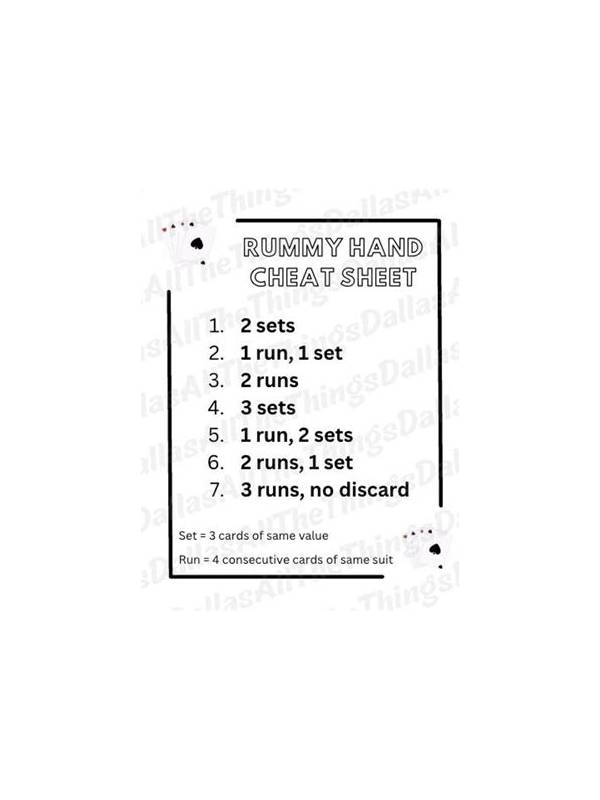
A single-route rummy hand is easy to describe: most useful cards support one intended structure. A two-route hand keeps two different structures alive. Neither approach is always better. The right choice depends on how complete the routes are, how many cards they require, and how quickly you need a dependable result.
The single route has a clarity advantage. You know which cards to protect and which draws matter. It can become efficient when the route is already close to complete and its missing cards are reasonably available. Its weakness is fragility. If the key card does not arrive, or if one connector is lost, many cards can become stranded at once.
Two routes provide insurance. A card that fails to help the first route may still help the second, and a new draw can reveal which route deserves priority. The cost is clutter. Holding both routes may keep too many high-value or medium-value cards in the hand, leaving fewer clear discard candidates. It can also make a player postpone a necessary commitment.
Compare the routes by three measures. First is completion distance: how many cards are missing from each clean structure? Second is dependency: does a route need one exact card, or several interchangeable cards? Third is discard impact: if one card is removed, does the route disappear or merely become less convenient? A slightly less complete route may still be stronger if it is broad and resilient.
A practical rule is to keep two routes while they are both compact and meaningfully different. Begin narrowing when one route gains a clear advantage in completion distance and dependency. Do not keep a second route only because it contains an attractive pair. A pair is evidence of possibility, not proof that the route deserves permanent protection.
After the hand, record when you moved from two routes to one. Did you wait for certainty, or did you choose when the evidence became sufficient? This review improves judgment without turning strategy into a rigid formula. Strong play balances the focus of a single route with the insurance of a second route, then commits when the cost of flexibility becomes larger than its benefit. The comparison is also useful for practice. Take a sample hand and write down the strongest single route and the best alternative before making a discard. Then explain what evidence would make you choose one. This exercise teaches the difference between genuine flexibility and simple indecision, while keeping the review separate from the pressure of a live turn.