How to Explain a Rummy Hand to a New Player
A new rummy player usually needs a map before needing strategy. Terms such as sequence, set, joker, draw, discard, and declaration can sound simple but become confusing when introduced all at once. A calm explanation of one sample hand gives the learner a useful framework without overwhelming them with exceptions.
Begin with the objective in plain language. Explain that the player draws one card, discards one card, and tries to arrange the hand into valid groups. Mention that the exact number of cards and the required combinations depend on the variation. Avoid presenting a local house rule as universal; identify which rules apply to the table being used.
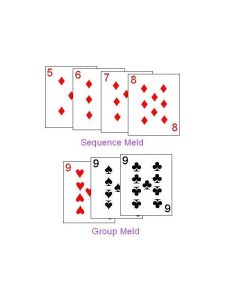
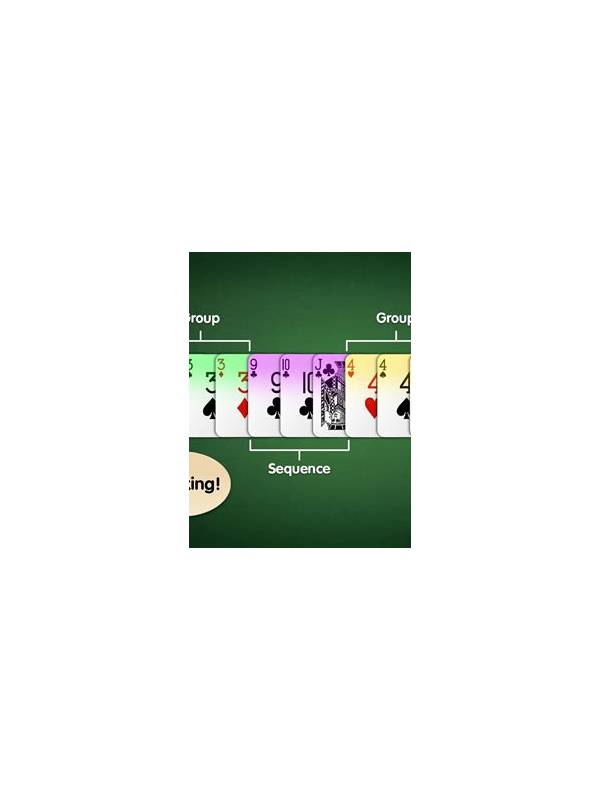
Show a pure sequence first. Choose three or more consecutive cards of the same suit and point out why they work together. Then show a second sequence that uses a joker if the format permits it. This contrast helps the learner understand why a natural sequence can be especially important and why a joker is not the same as a license to ignore the suit pattern.
Next, demonstrate a set with cards of the same rank and different suits. Explain which cards are not part of the group and why duplicates of the same suit may be invalid in some formats. Let the learner rearrange the sample hand themselves. Learning improves when they make the grouping decision instead of only watching an expert do it.
After combinations, demonstrate a complete turn. Say what information is visible, describe why one card is drawn, and state why another card is discarded. Keep the explanation focused on the decision at hand. A beginner does not need a complete theory of opponent reading during the first example.
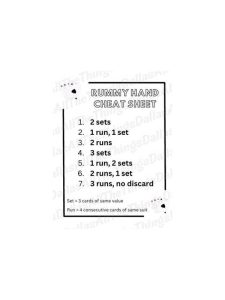
End with the declaration check. Count the cards, identify the required sequences, confirm the set or remaining sequence groups, and review any joker substitutions. Explain that a declaration can fail even when much of the hand looks organized. This final check is a habit worth teaching from the start.
Invite questions using specific prompts: Which card would you draw? Which card would you release? Which group is pure? Asking these questions reveals the learner’s reasoning better than asking whether they understand. Repeat the same structure with a new sample hand, then introduce strategy gradually. Clear fundamentals make later advice easier to use and easier to question.
Be especially careful with examples involving money or promotions. Teach the rules and decision process first, and explain that practice results do not predict future outcomes. A learner should know where to find official table rules and how to stop if the activity is no longer comfortable or affordable.