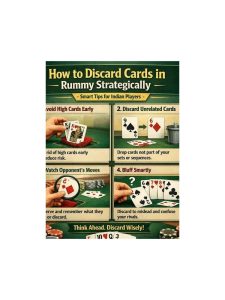
Rummy Comparison: Flexible Pairs Versus Nearly Complete Runs
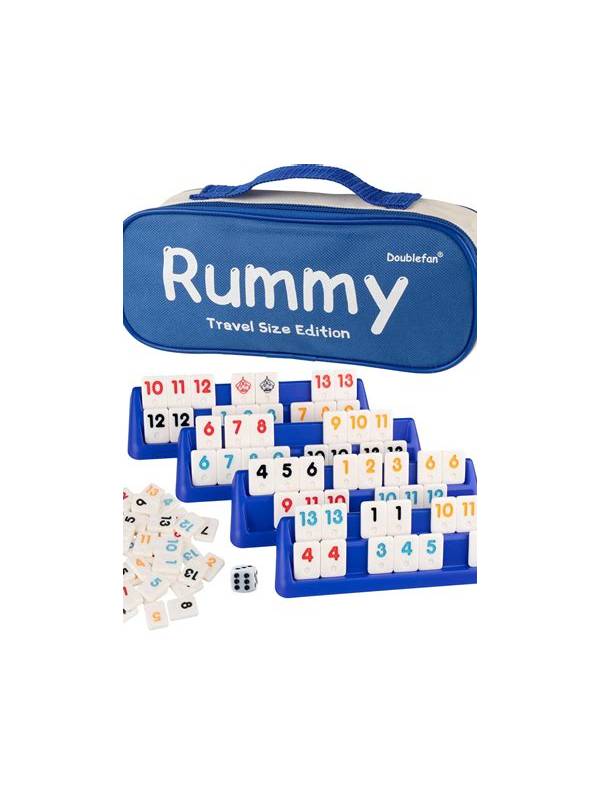
A hand often contains a choice between a flexible pair and a nearly complete run. A pair may connect in several directions, while the run needs one particular card to become useful. Comparing them clearly is more reliable than choosing the group that looks closest to completion.
Begin by listing the useful cards for each option. A pair such as 7 and 9 of the same suit may welcome an 8, but it can also be part of a broader plan if another nearby card appears. A four-card run missing one card can be valuable, yet its success may depend on a narrow rank or on whether that card remains available. Count realistic outs, not every theoretical possibility.
Then consider how much damage each option causes if it fails. Holding a flexible pair may keep several future plans open, but it can also occupy space that could support a stronger group. Holding the nearly complete run may produce a quick result, though repeated misses can leave high-value cards stranded. The better choice depends on both potential gain and the cost of waiting.
Position also matters. Early in a hand, flexibility usually has more time to pay off. Later, a nearly complete run may deserve priority if it reduces deadwood and the missing card is still plausible. This is not a fixed rule. Reassess after every draw because the discard pile changes the evidence.
Use a two-question test before discarding. Which option has more credible useful draws? Which option can be abandoned with the smaller penalty on the next turn? If the answers point in different directions, prefer the plan that keeps your hand easier to reorganize. A tidy hand is not automatically a winning hand, but it makes mistakes easier to spot.
The comparison is ultimately about flexibility under uncertainty. A group that is one card from completion can be attractive, while a flexible pair can quietly preserve better choices. Measure both instead of rewarding closeness alone.
You can also compare the plans by their discard consequences. Imagine receiving a card that helps neither option. Which group would allow you to release a high-value or isolated card cleanly? Which group would force you to keep several awkward leftovers? The answer reveals hidden flexibility. A plan that survives a neutral draw is often stronger than one that looks excellent only when a particular card arrives. Use this test early, then repeat it after the hand becomes more urgent.