Rummy How-To: Convert a Pair Into a Decision Tree
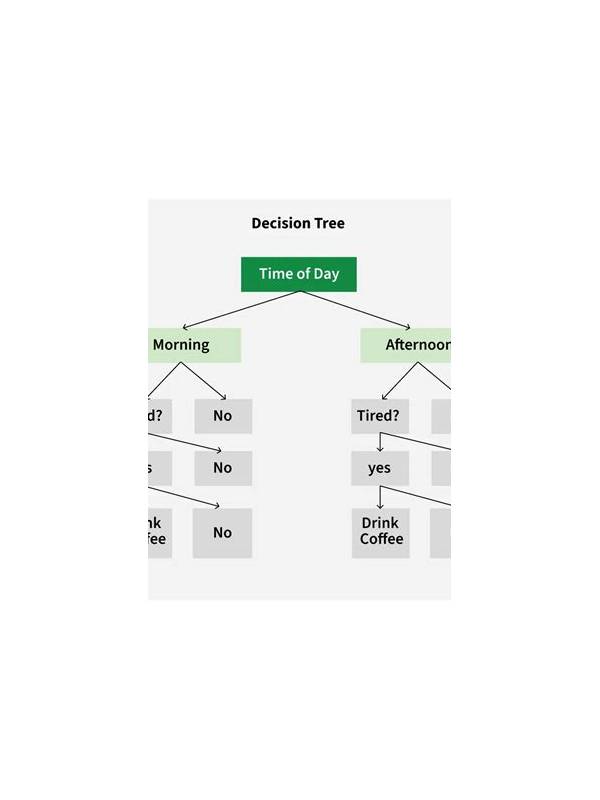
A pair can be a useful anchor, a temporary connection, or a distraction. Instead of asking whether to keep it forever, convert it into a small decision tree. This makes the next choice depend on evidence rather than attachment.
Start with the pair’s possible roles. It might become a set, join a sequence, or remain a pair while another group develops. Write the missing cards mentally and note whether each route supports the hand’s required structure. If one route needs fewer precise cards, give it more weight.
Then define an update condition. A useful card arriving may strengthen the pair. A new group forming elsewhere may make the pair unnecessary. A turn passing without improvement may be enough reason to release it, especially if the pair occupies space needed for a pure sequence.
Add a cost check. What are you holding because of the pair? If it keeps two unrelated cards trapped or forces you to discard a stronger connection, its opportunity cost is high. If it protects a low-point, flexible route and leaves the rest of the hand clear, it may be worth another turn.
Keep the tree small: keep, convert, or release. Do not build a detailed prediction for every possible card. The point is to make the next review easier. Reassess when the hand changes, when the review point arrives, or when the table offers a clearly better discard.
This method treats a pair as information rather than a commitment. You can value its possibilities while remaining ready to change direction. That balance is especially useful in hands where several cards look promising but only one route can ultimately satisfy the requirements. The tree can also include a “do nothing yet” branch. Sometimes the pair is not urgent, and taking another card would create more clutter than value. This branch is not an excuse to postpone every decision; attach a time or evidence condition to it.
At the end of the hand, simplify the tree. A route that was acceptable early may no longer be worth protecting. Choose the branch that best supports a valid arrangement with the cards available, then stop reopening the same question unless new information genuinely changes it.
The tree is most useful when its branches are observable. “Keep if the next card joins the group” is clearer than “keep if the hand feels better.” Concrete conditions make it easier to follow the plan under time pressure.