Rummy How-To: Build a Practice Hand From Deliberate Constraints
Unstructured practice often produces a final result but little learning. A better approach is to create a hand with one deliberate constraint and observe how your choices respond. The constraint should make a decision harder without making the exercise unrealistic.
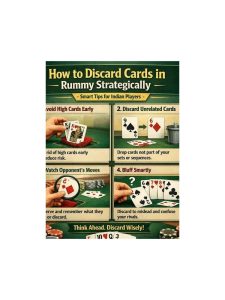
Choose the skill first. You might practice releasing high cards, comparing two draws, setting a deadline for a narrow run, or protecting a required sequence. Then create a starting hand that gives the skill room to appear. If the lesson is about high-card discipline, include two expensive isolates and one lower-value alternative. If the lesson is about flexibility, include a bridge that can serve two possible structures.
Do not predetermine the correct discard. The exercise is valuable because new information should change the answer. Deal or generate the remaining cards randomly, and keep the discard pile visible. Your task is to explain each key decision using the selected skill, not to force a particular result.
Before starting, write three success measures. For example: identify a deadline within the first three turns, avoid holding an expensive isolate past it, and record the evidence used. These measures evaluate process rather than whether the hand wins. A poor result can still be a successful practice session if the process was clear and the lesson was observed.
Pause at the agreed checkpoints. A checkpoint might occur after the opening draw, when a plan first stalls, and before the final discard. At each point, state the current plan, its destination cards, and the cost of continuing. If you cannot describe those items, the constraint has exposed an area to study.
After the hand, write one observation and one adjustment. An observation could be “I treated a middle card as flexible even after both routes became narrow.” An adjustment could be “count only destinations still available from the discard evidence.” Keep the adjustment small enough to test in the next hand.
Rotate constraints across sessions. Repeating one lesson forever may produce a narrow habit. Move from discard discipline to plan comparison, then to table information and session boundaries. You can also replay the same opening with a different constraint to see how the decision changes.
Designed practice is not about manufacturing easy wins. It is about making one hidden choice visible. With a clear constraint, a checkpoint, and a process-based review, even a short hand can teach something specific that transfers to ordinary play.
Keep the exercise fair by recording the rules and any special constraint before the deal. That makes the result easier to compare with a later attempt and prevents you from changing the lesson after seeing the outcome.