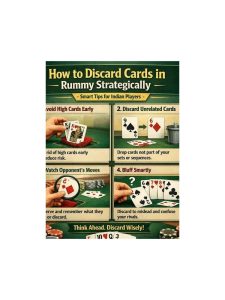
Rummy Tips: Measure a Draw by Its Useful Destinations
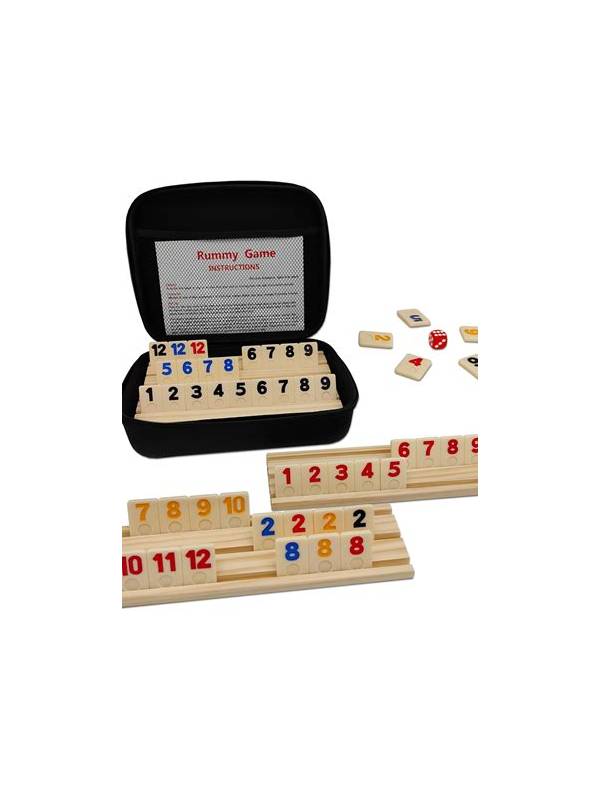
Players often describe a card as “good” because it completes one attractive possibility. A more reliable test is to ask how many useful destinations that card has. A card with several workable connections can keep a hand alive, while a card that fits only one narrow plan may create a tempting but fragile story.
Start with the cards you are considering keeping. For each one, list the ranks and suits that would improve it. A middle card in a suit may connect on either side, and it may also help a same-rank group. A very high or very low card usually has fewer sequence destinations. This does not make it automatically bad, but it means the card needs stronger evidence from the rest of the hand.
Next, distinguish immediate destinations from theoretical destinations. If a card would complete a sequence only by using two cards you have already committed elsewhere, the destination is not really available. Likewise, if the needed rank has appeared in the discard pile and the rules use a single deck, treat that route as weaker. Counting only realistic routes prevents inflated estimates.
Use a simple three-level scale. Give a card three marks if it improves several independent plans, two marks if it supports one plan with multiple ranks, and one mark if it has a single narrow target. Recheck the marks after every draw. A card can become more valuable when a neighbor arrives, or less valuable when the rest of the hand moves in another direction.
Useful destinations are not the only factor. Point value, information from discards, and the timing of the table matter too. A low-value card with two destinations may be safer than a high-value card with three. Conversely, a high-value card that completes a required pure sequence immediately may be worth keeping despite its penalty. The count is a decision aid, not a replacement for the whole position.
Try this exercise away from a live table. Deal a sample hand, choose three candidate cards, and write their destinations before drawing again. Then draw one card and update the list. Notice how quickly a flexible card becomes clear or how a supposedly promising card loses support. Reviewing these changes trains you to value adaptability rather than attractive single-card possibilities.
The practical lesson is simple: keep cards that can improve in more than one believable way, and set a time limit on cards whose only future is narrow. This approach makes decisions calmer because you are comparing routes, not guessing which individual card feels lucky.