Rummy FAQ: When Does a Safe Draw Become a Bad Habit?
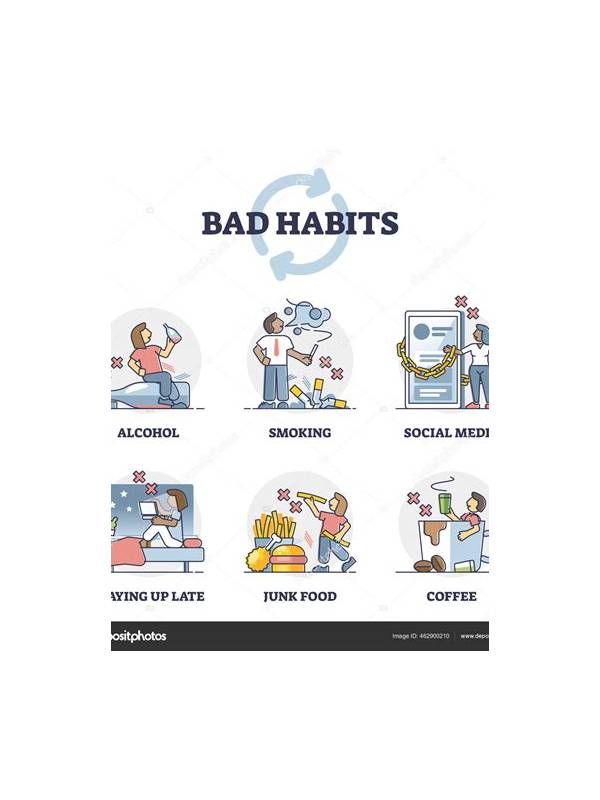
A safe draw is usually one that does not expose many points or reveal much about your plan. That can be useful, especially when the hand is unsettled. But repeating safe draws automatically can become a bad habit. Safety protects the present turn; it does not necessarily move the hand toward a legal finish.
The habit can be hard to notice because each individual choice sounds reasonable. The pattern appears only when you look across several turns. A short session note that records the reason for each conservative draw can reveal whether caution is producing progress or merely postponing a difficult discard.
The warning sign is a growing gap between protection and progress. After several turns, ask whether your groups are becoming clearer, whether uncertain cards are decreasing, and whether the next draw has a defined purpose. If the answers are no, the draw may be preserving comfort rather than improving your position.
Another warning sign is using “safe” as a complete explanation. A card can be safe from an opponent’s perspective while being poor for your own hand. It may duplicate a role you already have, block a better connection, or leave a high-point card untouched. Judge the draw by both external risk and internal usefulness.
Create a simple test before taking a conservative draw. For example, give the plan two turns to produce a meaningful connection, or identify one specific type of card that would justify continuing. If the evidence does not appear, change the plan rather than extending the deadline indefinitely.
The test should be flexible enough for the format. A fast table may require a shorter review window, while a longer pool format may allow more patience. The exact number is less important than deciding it before frustration or attachment takes over.
There are times when a quiet draw is correct even without immediate progress. You may be protecting a strong completed structure, avoiding a dangerous discard, or waiting for more information from the table. State that reason plainly. A safe choice with a known purpose is different from a safe choice made because no alternative was considered.
If you notice the habit during a session, pause after the next draw and describe the hand in one sentence. Name the strongest group, the most expensive loose card, and the next useful improvement. That snapshot often shows whether caution is serving the hand. Responsible play also means stopping or taking a break when the urge to continue is driven by anxiety rather than a clear decision.