Rummy Comparison: Paper Scorecards Versus Digital Tracking
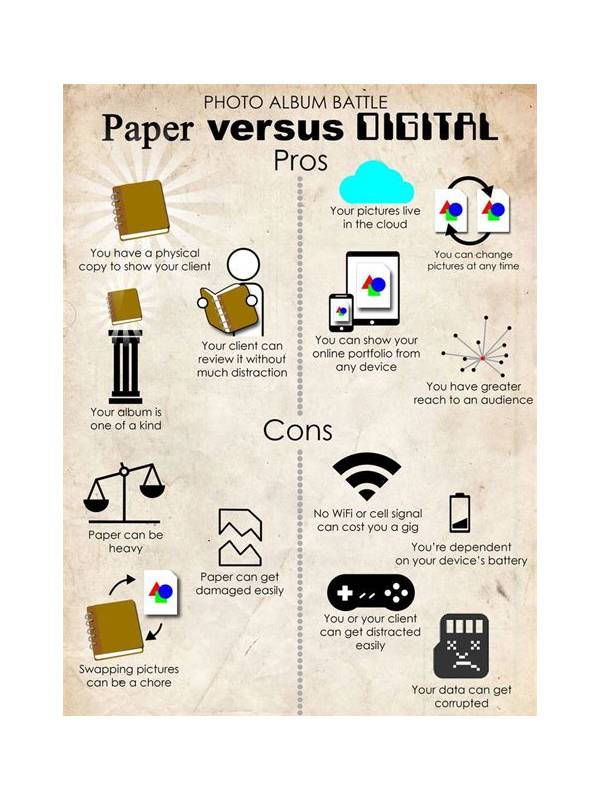
Scorekeeping looks simple until several rounds, penalties, and corrections accumulate. Paper scorecards are familiar and visible, while digital tracking can calculate totals and preserve a history. Comparing them by convenience alone misses the more important questions: who can verify the score, how easily mistakes are corrected, and whether the method distracts from play.
Paper has a strong transparency advantage. Everyone can see the same rows, follow a correction, and notice when a total does not match the round result. It works without batteries, accounts, or network access. A clear sheet also creates a natural pause between rounds. Its weaknesses are arithmetic errors, smudged writing, and the temptation to squeeze several values into a cramped margin.
Digital tracking is useful when a group plays many rounds or wants a searchable history. Automatic addition reduces repetitive arithmetic, and a well-designed app can label players, rounds, and penalties consistently. It may also support accessibility features such as larger text or screen reading. However, a private device can make the score less visible, and a wrong tap may be harder for others to notice than a crossed-out number on paper.
If you use paper, assign one scorer but invite another player to verify the total after each round. Write corrections with a single line through the old value rather than erasing it. If you use a device, display the score where the table can inspect it and announce each entry before saving. Keep a simple backup, especially during an important match.
The best hybrid method is often a visible paper summary plus an optional digital record after the session. The paper provides an immediate shared reference, while the digital copy supports later review. Do not photograph or upload scorecards containing personal information without everyone’s agreement.
Choose the method that matches the group’s needs. For a short, casual game, paper may be faster. For a long league session, digital tools can reduce fatigue if their results remain verifiable. In either case, the essential habit is the same: record the score before the next deal, read it aloud, and correct disagreements while the round is still fresh. n+Protect the record from accidental edits. On paper, keep the sheet visible; digitally, use a version with an undo option or history. Never change an earlier score silently after a later round begins. A transparent correction preserves confidence even when the original mistake was inconvenient. n+The scorer should also say when a correction is complete. This closes the issue for the table and prevents players from using an unresolved arithmetic question as a reason to delay the next deal or revisit an old result.