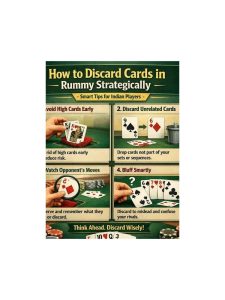
Rummy Comparison: Draw Pile Discipline Versus Discard Pile Speed
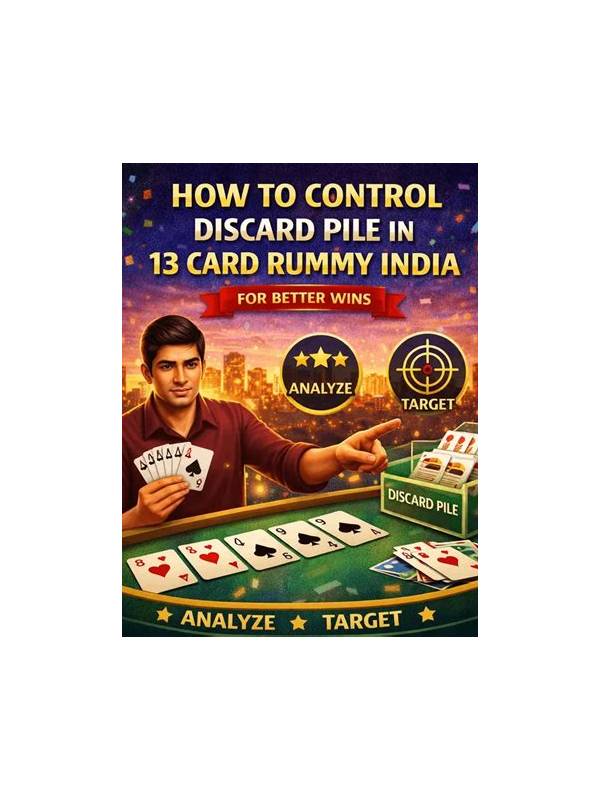
Choosing between the draw pile and the discard pile is a recurring rummy decision. Neither source is automatically better. The draw pile offers uncertainty and privacy; the discard pile offers a known card and immediate structural information. Compare the tradeoff with the current hand rather than following a permanent preference.
The discard pile is attractive when the top card directly improves a route. You can see what you are receiving and usually make a more precise follow-up decision. The cost is that taking the card may reveal something about your needs, especially when the connection is obvious. It can also expose information to players who are tracking public choices.
The draw pile protects your direction from that particular signal. It may provide a card that fits a route you have not shown, or it may simply give you more uncertainty. A blind draw is useful when the top discard offers only a narrow improvement, creates a penalty problem, or would reveal too much for too little gain.
Speed matters as the hand develops. A known discard can convert a nearly complete route into a completed one, reducing unresolved risk. Early in the hand, the same card may be less urgent if it locks you into one plan. Late in the hand, certainty often deserves more weight because fewer opportunities remain.
Check the replacement cost. The question is not merely whether the discard is useful; it is whether it is better than the card you will release and the route you give up. If taking the discard forces you to keep a high isolated card, the visible improvement may be smaller than it appears.
Use a quick comparison: Does the discard satisfy an important requirement? Does it complete or strongly support a route? What information does taking it reveal? What is the best likely benefit of a blind draw? The answers will not predict the next card, but they will make the choice consistent.
Good draw-pile discipline does not mean avoiding the discard pile. Good discard-pile speed does not mean taking every visible improvement. The stronger habit is to recognize what each source provides and pay its actual cost in flexibility, information, and penalty exposure.
You can make the comparison even quicker by checking only the top discard and the hand’s most urgent need. If they do not connect meaningfully, a blind draw may be the cleaner choice.
This does not require calculating exact probabilities. It requires noticing whether the visible card makes a meaningful improvement and whether the information it reveals is a reasonable price for that improvement.