Rummy Tips: Use a Two-Question Check Before Drawing
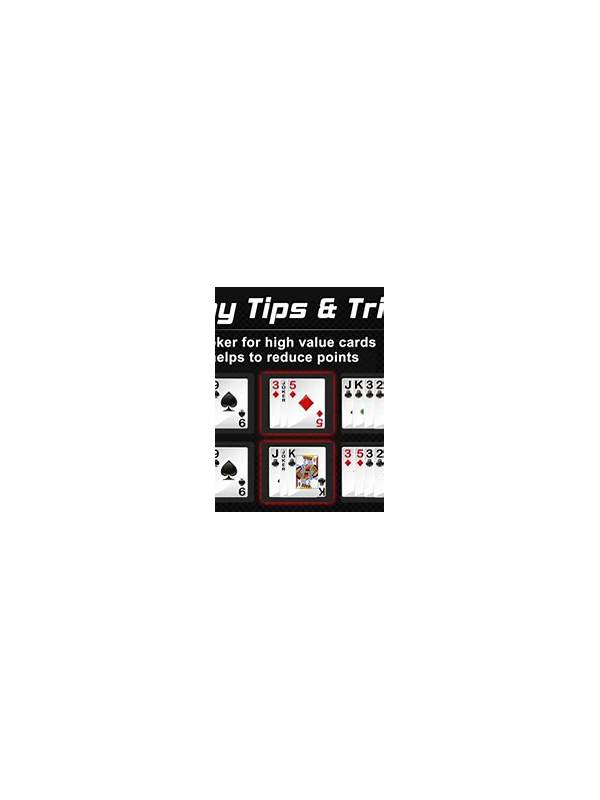
Drawing quickly is easy; drawing with a reason is more useful. Before taking a card, ask two questions: what group could this card improve, and what will I discard if it arrives? The first question tests whether the draw supports a real plan. The second stops your hand from expanding into a collection of cards that all seem promising but cannot coexist.
Start by naming the target group in plain language. You might be looking for a middle card to complete an open run, a matching rank to finish a set, or a card that replaces a weak high-value piece. If you cannot identify the target, the draw may be driven by hope rather than structure. Naming the target also makes it easier to notice when the plan has become too narrow.
The discard question is equally important. A useful draw should usually make one other card less valuable. If you would keep the new card while refusing to release anything, ask whether the hand is becoming overloaded. Keeping too many pairs and partial runs creates hidden costs: you spend later turns protecting alternatives instead of building a legal arrangement.
These questions should not turn every turn into a long calculation. Use them as a quick pause, especially when the draw pile or open pile offers a tempting card. If the card improves a clear group and releases a weak isolated card, the decision is straightforward. If it improves two plans at once, compare which plan needs fewer future cards.
After the draw, reassess rather than defending the original answer. A card may be useful in theory but awkward with the rest of the hand. Rummy rewards adjustment because the visible information changes every turn. A two-question check keeps your choices connected to the current hand, limits impulsive draws, and leaves you with a deliberate discard path.
You can also use the check when the open discard looks unusually convenient. Ask whether taking it improves the group you named, or merely prevents another player from seeing it. Blocking information may sometimes matter, but it should be a secondary reason. The primary reason should be a clear improvement to your own arrangement. This distinction keeps the draw decision grounded in the hand rather than in speculation about everyone else. If neither question has a satisfying answer, delay the decision for one short review rather than forcing certainty. Check the required groups, identify the weakest current card, and choose the move that keeps the most workable structure. A modest improvement is often better than a dramatic draw based on a story you cannot support with the cards in view.