Rummy How-To: Convert a Hand Into a Dependency Map
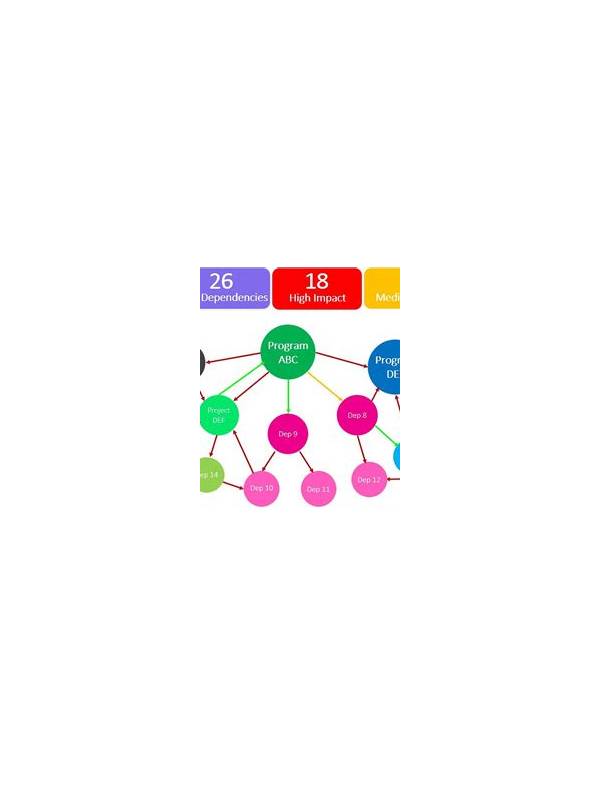
A hand can look organized while several melds depend on one missing card. A dependency map makes that hidden structure visible. It is a quick sketch showing which cards belong to a confirmed arrangement, which are provisional, and which future draws would affect more than one plan.
Begin with the strongest evidence. Circle any complete legal meld and mark cards that have only one sensible role. Put uncertain cards in a separate area. For each provisional arrangement, write the missing rank or ranks beside it. If two arrangements need the same missing card, connect them with a line. That line is important: it shows that the plans are not independent, even if they occupy different parts of the hand.
Next, label each dependency as narrow or broad. A narrow dependency needs one exact card. A broad dependency can be satisfied by several cards or can be repaired through another grouping. Do not confuse a long list of theoretical cards with a robust route. The cards must also fit the rules, remain available enough to be plausible, and leave a legal remainder.
Use the map to choose a discard. Remove a card with no useful connection, or reduce the plan that has the most expensive and narrow dependency. Avoid discarding a card that is the only bridge between two flexible structures unless you have deliberately chosen one structure to abandon. If one draw could complete two plans, decide which plan you would keep before the card arrives.
Update the map after a meaningful draw or visible discard. A dependency map is not a permanent diagram; it is a snapshot of the hand’s current uncertainty. Its value comes from showing where one lucky card would help and where a missed draw would force a reset. With practice, you can perform the same analysis mentally in a few seconds and make cleaner decisions under time pressure. The map is also useful for explaining a decision after the round. Mark which dependency actually resolved and which one failed. You may discover that you repeatedly protect cards connected to too many plans, or that you overlook stable arrangements because they seem less exciting. Keep the review short and specific. The map is a decision aid, not a demand to reconstruct every unseen card. Over time, these small observations can improve your ability to spot crowded routes before they consume the whole hand. Keep the map small enough to read at a glance. Three or four major dependencies are usually more useful than a detailed web connecting every card. If the sketch becomes crowded, simplify the routes and discard the least supported assumption before continuing.