Rummy Safety: Plan a Screen Break Before You Start
A screen break is easier to take when it is planned before the first hand. Online card play can make a short session feel longer because each turn arrives quickly. Tired eyes and rushed attention can affect ordinary decisions, while a session that runs beyond a personal limit can become uncomfortable. A break plan is a simple part of responsible play.
Choose a natural stopping point before joining a table. It might be a time on the clock, a number of practice rounds, or the end of a preset session. Use a reminder that does not require you to keep checking the screen. If the platform offers timers, understand what they do and do not control. A reminder is not a guarantee that a session will stop automatically.
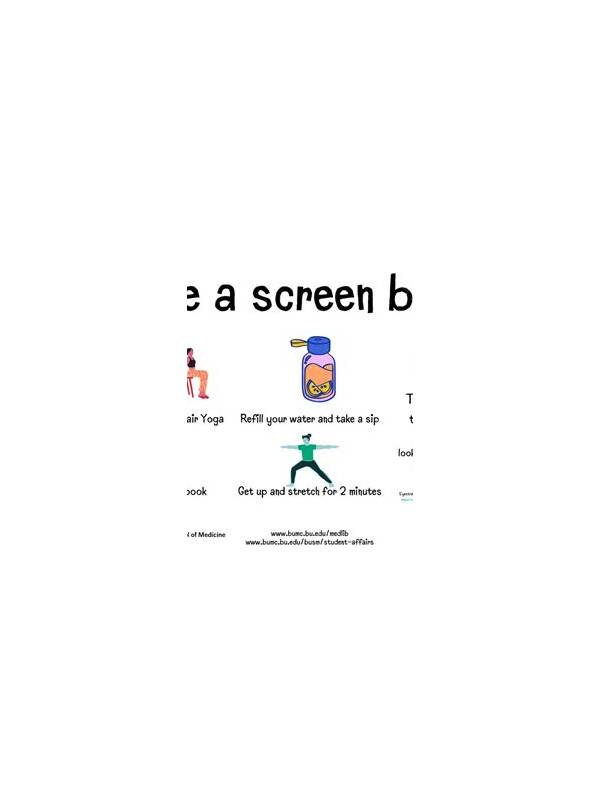
Pair the break with a physical action. Stand up, look away from the screen, drink water, and check how your eyes and shoulders feel. Do not use the break to chase a result or immediately review every card. The purpose is to restore attention and make a calm decision about whether to continue. If you feel irritated, hurried, or unable to pause, ending the session is a reasonable choice.
Keep money and time limits separate but visible. A break does not reset a spending limit, and a small loss is not a reason to extend the session. If the game involves deposits or entry fees, use only an amount you can afford to lose and follow local requirements. Never share passwords, one-time codes, or payment information in chat while arranging a break or seeking help.
Afterward, note whether the planned break happened and how it affected concentration. If it repeatedly fails, shorten the next session or choose offline practice. Good play habits include knowing when to stop, not just knowing what card to choose. A break plan protects the quality of the decision and the boundary around the activity. If the device supports accessibility settings, adjust brightness, text size, or contrast before the session rather than waiting for discomfort. Keep water nearby and place the reminder where it cannot be mistaken for a payment or promotional notice. When the break arrives, leave the table according to its rules and do not make a hurried last move simply to reach the reminder. A planned pause is useful only when it is treated as a real boundary.