Rummy How-To: Compare Two Discards With a Simple Scorecard
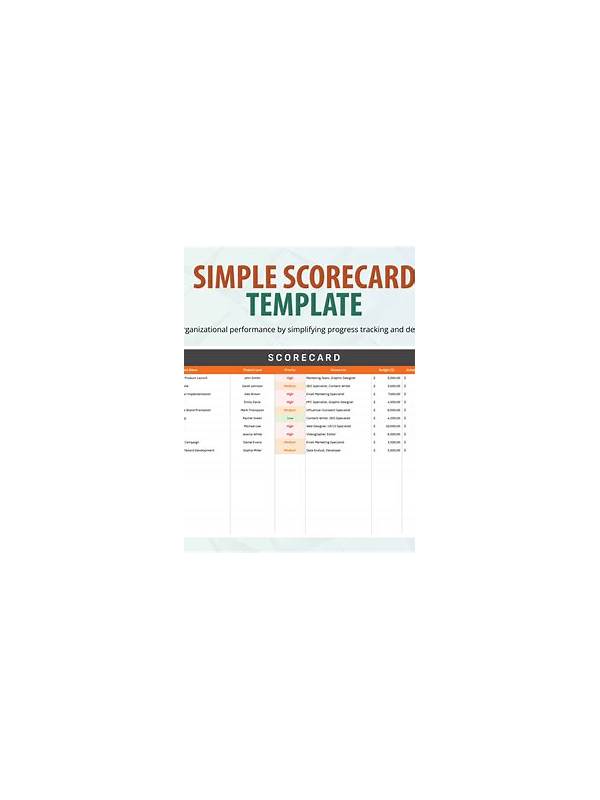
Two cards can both look disposable, yet choosing between them may change the whole hand. A simple scorecard creates a repeatable comparison. It does not need exact mathematics. Give each candidate a quick assessment for current structure, future connections, opponent information, and point risk, then choose the card with the stronger overall case for leaving.
Start with current structure. Does the card belong to a confirmed meld, a promising connection, or no structure at all? A card in a completed required sequence usually deserves protection, while an isolated card starts with a disadvantage. Be careful with the word “promising.” A card that needs one specific unseen partner may be less useful than a card with two ordinary routes.
Next, check future connections. Count the distinct cards that could make the candidate useful. Include both sequence and group possibilities, but avoid double-counting a route that is already unlikely because visible discards have removed its key cards. This is a rough estimate, not a probability calculation. Its purpose is to expose the difference between broad and narrow potential.
Then consider information. If a discard clearly signals a card you do not need, it may help another player. That matters, but do not let imagined opponent plans dominate your own hand. Use visible evidence: cards they have taken, repeated suits in their discards, or a pattern that has appeared more than once. Guesswork should remain a small part of the scorecard.
Finally, include point risk and switching cost. A high-value isolated card can be urgent to remove. A low-value card that keeps two routes open may be worth more than its points suggest. Also ask which candidate would be harder to replace if discarded. Sometimes the best choice is the card that releases the weakest plan while preserving the hand’s most adaptable connection.
You can rate each category from zero to two and compare the totals, but do not worship the number. If one choice completes a required structure, that fact can outweigh several small advantages elsewhere. Use the scorecard to slow down a confusing decision, then make the final choice according to the rules and stage of the hand.
For consistency, make the comparison before looking at the result of the next draw. Otherwise, a lucky or unlucky outcome can make a decision seem better or worse than it was. Record the two candidates, your main reason for releasing one, and the uncertainty you accepted. This produces useful review material without pretending that a sound decision guarantees a favorable result.