Rummy How-To: Review a Lost Hand Objectively

Reviewing a lost rummy hand is most useful when it separates the decision from the result. A good decision can lose, and a risky decision can succeed. If you judge only by the final outcome, you may learn the wrong lesson and repeat it later.
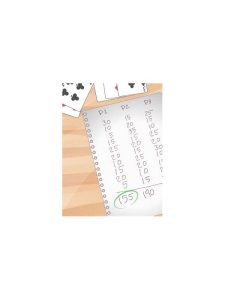
Begin with a factual timeline. Note the opening structure, the key draws, the important discards, and the point where your plan changed. Avoid labels such as “stupid” or “unlucky” during this first pass. Record what was visible at the time, not information you learned only after the hand ended.
Next identify the decision with the largest impact. It might be an early commitment, a failure to reduce a high-value card, an ignored backup route, or a rushed declaration. Do not list every imperfect move. One clear decision is easier to understand and practise.
Ask three questions. What alternatives were available? What information supported the choice? What information was missing or misunderstood? This makes room for uncertainty. Sometimes the best alternative was only slightly better; sometimes the choice depended on an assumption that was never checked.
Separate a technical lesson from an emotional signal. If frustration caused you to speed up, the lesson may concern session control rather than card strategy. If the rules were unclear, review the format before playing again. If the same error appears in several reviews, choose it as the next practice target.
Finish by writing one action for the next session, such as “count unfinished groups after each draw” or “pause before a high-value discard.” Then close the review. Replaying the hand endlessly does not create more information. A short, specific lesson is more valuable than a long argument with the past.
If you cannot identify a clear technical mistake, that is also a result. The hand may have been lost despite reasonable choices, or the available evidence may not support a confident conclusion. Record that uncertainty instead of forcing a lesson. You can still review whether the session length, table choice, or emotional state affected your concentration. Objective review includes knowing when the evidence is insufficient. For practice, review a hand soon after it ends, while the sequence is still clear. Later, use the same notes to see whether the lesson changed your behavior. If it did not, make the next action smaller and more observable. “Pause once before discarding” is easier to test than “be more strategic.” Progress comes from repeatable behaviors.