Rummy Comparison: Reviewable Choices Versus Hidden Choices
Some rummy decisions are easy to review later: you kept a card to complete a pure sequence, or you discarded an orphan to reduce exposure. Other decisions are hidden inside a hunch. You may remember only that a card “felt useful.” Comparing these choice types can improve learning without requiring perfect analysis.
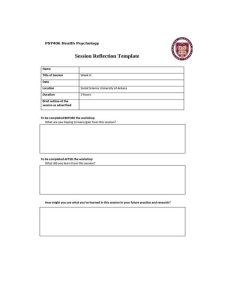
A reviewable choice has three parts. It names the current objective, identifies the evidence, and sets a condition for reconsideration. For example: “I am protecting this developing sequence because two ranks can complete it; I will review it if another group becomes confirmed.” The statement is short, but it gives the next turn something concrete to test.
A hidden choice skips one or more parts. It may follow a familiar habit, copy a previous hand, or hold a card because discarding it feels uncomfortable. Hidden choices are not always wrong. They are simply difficult to evaluate, which means a lucky result can reinforce a weak process and an unlucky result can create unnecessary doubt.
When two actions appear equal, prefer the one that is easier to review. This might mean choosing a discard whose role is clear, keeping a route with a defined completion, or using a standard layout. Reviewability is especially useful in practice because it turns each hand into evidence for a future adjustment.
Do not confuse reviewability with certainty. A well-explained choice can still lose because the needed card does not arrive or an opponent changes the available information. After the hand, ask whether the reason was sound given what you knew at the time. Separate process quality from the final result.
Try a simple note after practice: objective, evidence, review trigger. If you cannot fill in one of the fields, label the decision hidden and examine it later. With repetition, you will notice which situations produce unexplained moves. The solution may be a rule check, a slower layout, or a more precise question—not a promise to predict every card. Over time, reviewable choices create a personal library of situations. You can compare how you handle narrow routes, late draws, and uncertain discards without pretending that the same action is correct in every hand. The library supports judgment while leaving room for context.