Rummy Comparison: Reviewing Hands by Process Versus Outcome
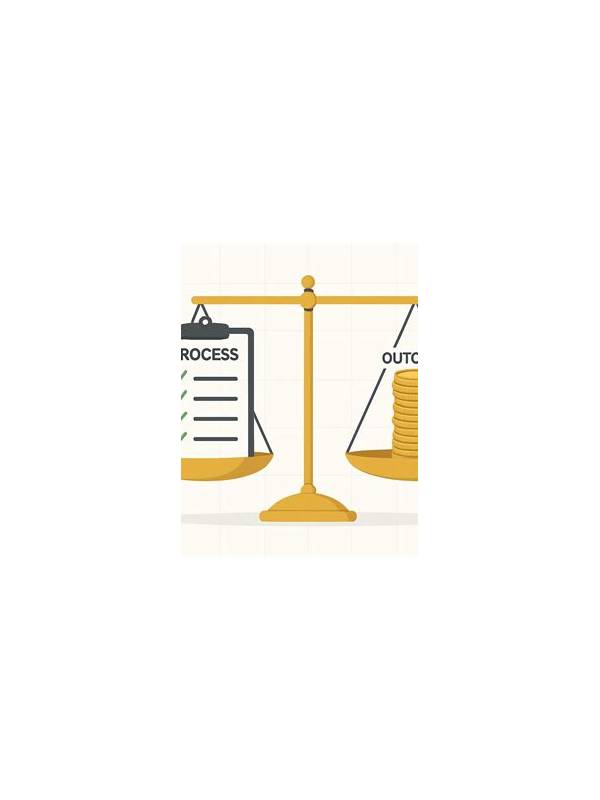
A rummy review can focus on process or outcome. Process review asks whether your choices matched the information available at the time. Outcome review asks what the final hand and score were. Both perspectives have a place, but confusing them can make strong decisions look bad or lucky decisions look reliable.
Process review begins with the position before each important choice. What melds were complete? Which draws were useful? What did opponents reveal? Which discard alternatives were available? Write down the reason for the choice in one sentence. This creates a record of judgment rather than a story built from the final result.
Outcome review is simpler. Did the hand finish, what was discarded, and how many points or penalties followed? Outcomes matter because they show the practical cost of a line and may reveal repeated weaknesses. But one outcome does not prove that the underlying decision was correct or incorrect. Random draws can reward a poor plan or punish a sensible one.
Use both reviews in sequence. Start with process so that hindsight does not rewrite the position. Then inspect the outcome and ask whether the process needs adjustment. If you repeatedly make sound decisions but lose through narrow draws, your improvement may be patience rather than a new strategy. If you win while skipping basic checks, the outcome should not become permission to repeat the shortcut.
Keep the notes short. Record one good decision, one uncertain decision, and one process change for the next session. A long report can become another form of avoidance. The useful measure is whether the next hand includes a clearer check or a better stopping rule.
Reviewing process and outcome together makes learning more stable. You can respect results without becoming controlled by them, and you can change a habit without blaming yourself for normal variance. Over time, the pattern of decisions matters more than any single score.
This approach also makes discussion clearer because you can explain the decision before revealing the result. Feedback then stays focused on reasoning, evidence, and repeatable habits rather than on whether luck happened to cooperate.
Keep process notes neutral and specific. “I ignored the visible pickup” is more useful than “I played badly.” Specific notes can become a checklist, while general criticism rarely changes the next decision.