Rummy Comparison: Visual Sorting Versus Written Sorting
Players organize rummy hands in different ways. Some rely on a visual layout, while others use short written notes or labels. Neither method is universally superior. Compare them by speed, accuracy, and how well they hold up under pressure.
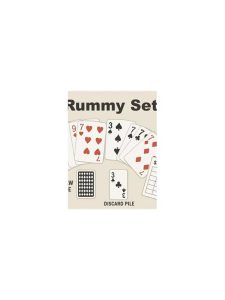
Visual sorting means placing cards into groups on the screen or table. It is fast and keeps the current structure visible. You can immediately see a sequence, a set, and loose cards. The weakness is that a tidy arrangement can create false confidence. A pair may look like a finished plan even when it has only one narrow completion route.
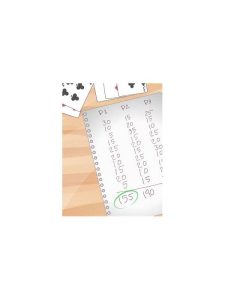
Written sorting adds labels such as strong, possible, and spare. It slows the first review slightly but makes uncertainty explicit. A note can preserve why a card was kept and what would cause a change. The risk is divided attention. If writing becomes too detailed, you may miss the live table or spend more time recording than deciding.
Choose visual sorting when the hand is simple and the table moves quickly. Keep the layout consistent, leaving a separate space for unresolved cards. Choose written sorting during practice, complex hands, or post-hand review. A three-word label is often enough; you do not need an essay beside every card.
You can combine both methods. Use visual groups for the current hand and one short note for the main uncertainty. For example, write “middle pair: two routes” or “high card: exit needed.” The note should support the layout, not duplicate every visible fact.
Test the methods fairly. Use several sample hands and record missed connections, unnecessary rearrangements, and decision time. Do not judge only by whether the hand won. The best method is the one that helps you notice relevant information and make a clear discard without avoidable confusion.
Your preferred method may also depend on the device. A small screen may make written labels awkward, while a physical table may provide enough space for visual groups. Adapt the process to the environment. Organization is successful when it reduces mental load and keeps the next decision visible.
Avoid switching methods in the middle of a difficult turn. Changing from visual groups to detailed notes can consume the attention you need for the live decision. Use the quickest safe layout now and record the uncertainty afterward. During practice, however, deliberately try both methods so you know which one works when the screen is small, the table is fast, or the hand contains several competing routes.