Rummy Guide: Test a New Strategy With a Small Sample
When you learn a new rummy strategy, it is tempting to judge it after one memorable hand. A small, consistent sample gives you better information. The aim is not to prove that a method always wins, but to see how it changes your decisions and where it creates problems.
Define the strategy in one sentence before you start. For example, you might say, “I will keep two routes open until the second checkpoint,” or “I will plan an exit for every high card.” A clear rule is easier to test than a vague intention to play more carefully.
Choose a sample size that you can complete without rushing. Ten practice hands may be enough for an initial review, while a longer sample can show more variety. Keep the format, number of players, and starting conditions as consistent as practical. Do not change the rule halfway through because one hand feels uncomfortable.
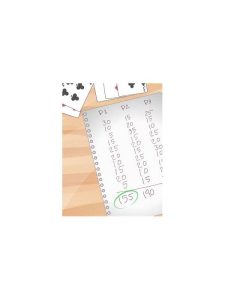
Record process measures, not only outcomes. Note whether you followed the rule, how often it forced a different discard, and what type of hand made it difficult. A strategy that produces a loss but improves your hand organization may still be useful. Conversely, a winning hand does not validate a rule that you ignored.
At the end of the sample, identify three categories: situations where the strategy helped, situations where it had no effect, and situations where it created a cost. The cost might be slower decisions, a narrow route, or an unnecessary attachment to one group. Consider a small revision, then test the revised rule in a new sample rather than rewriting history.
Keep financial risk separate from learning. Practice with no-stakes formats when available, and use a fixed entertainment budget if real-money play is part of your lawful activity. A strategy test should never pressure you to increase stakes to obtain more data.
This method turns improvement into an experiment with limits. You observe a defined behavior, collect modest evidence, and revise carefully. The result is more reliable than a dramatic story about one lucky draw or one unfortunate hand.
Stop the experiment if it makes you chase losses, play longer than planned, or feel compelled to increase stakes. Learning is optional; personal limits come first. You can continue the test with written examples or free practice. A sound sample includes not only a defined strategy but also a defined stopping point, so the method remains a tool for reflection rather than a reason to keep playing.