Rummy Card Labels: Build a Quick Personal Notation System
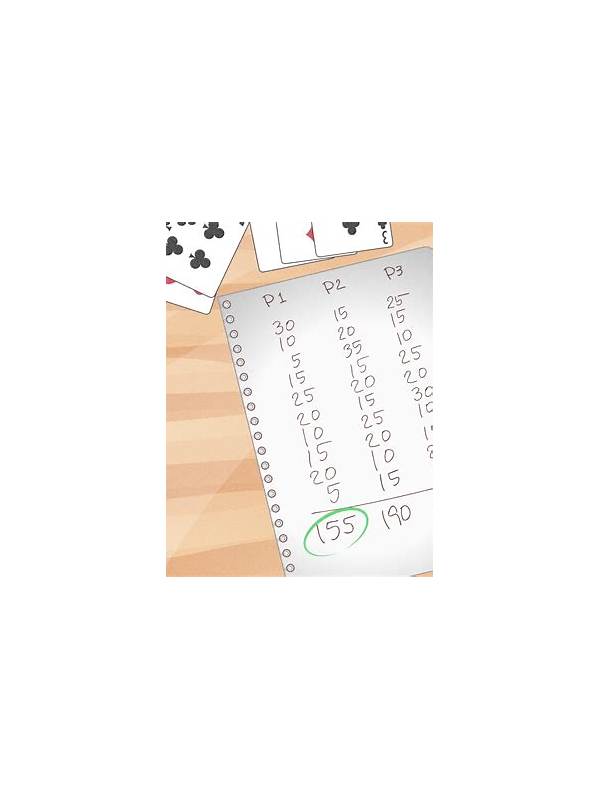
Written notes can help a rummy learner remember what happened, but notes become a burden when they try to capture every card. A personal notation system should be quick, private, and consistent. Its purpose is to record useful observations for practice, not to create a perfect transcript of a live table.
Choose short symbols for the groups you use most often. You might mark a completed sequence as S, a set as T, a pair as P, and an unconnected high-value card as H. Add the suit or rank only when it matters to the lesson. For example, “P 8s” tells you that an eight of spades was being held as a pair, while “S” may be enough for a group that was already secure.
Use a second symbol for confidence. A plus sign can mean that a group is complete, a question mark can mean that a connection is speculative, and a minus sign can mark a card with no current role. This makes a hand easy to scan after the session. It also reduces the temptation to describe a failed draw as a bad decision before reviewing the information that was available.
Record decision points, not every turn. A useful line might read: “P 6,7; kept after two turns; released when third draw missed.” That note captures the plan, the time invested, and the release condition. Another might say: “Discarded high card; checked penalty before action.” Short notes are more likely to be used consistently than long diary entries.
Keep results separate from observations. You can add a small W or L for the hand outcome, but do not place it beside the decision until you have written what you saw at the time. This prevents hindsight from changing the record. If you are reviewing an app session, write notes after the hand rather than while the timer is running unless the rules and environment clearly permit it.
Review the notation weekly and remove symbols that you never use. A system with four reliable marks is better than one with fifteen complicated codes. Keep notes free of sensitive account details, payment information, or other players’ personal information. The best notation system makes recurring patterns visible: delayed discards, unclear group definitions, or plans that lacked an exit condition. It should support reflection, not replace careful play.